Skip to content
BPindex — The Largest Building Products Directory in the UK

PVC-U conservatory

UK residents want homes that consider the environment

Building Products Index Ltd Doors, PVC-U, PVC-U, Windows Leave a Comment

View the Eurocell entry on BPindex

Visit the Eurocell website

76% of UK residents have said that the communities of the future need to be built as sustainably as possible, according to a new Eurocell report.

hand holding Green city concept, cut the leaves of plants

In its research of 1,000 UK residents, 75% agreed that this needs to extend to the products used to build tomorrow’s homes and that they should be made using sustainably sourced materials.

76% of respondents said that communities should provide habitats for the local wildlife. This desire to develop built environments that are more than just places to live was also reflected by 74% of UK residents who said that the area should actively foster a sense of community.
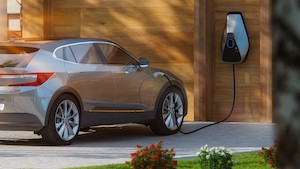
electric car parked in front of home modern low energy suburban houseAccounting for advances in technology was an important factor for 73% of those surveyed. While this includes mod cons like high speed broadband, it is also a call for green tech such as electric car charging to become the norm in the nation’s homes.

New housing developments are under the spotlight now more than ever, as the government has recently committed to building 70,000 homes across the country. Eurocell’s Future Communities report reveals a range of consumer opinion on how these new homes should be planned, designed and built.

The report includes insights from five architects from practices BDP, Stanton Williams, TOWN and Urbanist Architecture.

Thinking about the future, Kathryn Tombling, architect at BDP, said: “As designers, we’ve all got to respond to the climate change emergency quickly. For us, the environmental and sustainability agenda has been very strong for 10 years or more. But now there’s a big wake-up call for all of us.”

ppy kids playing outdoor at the parkThese statistics show that people are starting to ask more from the areas and homes in which they live. The country’s residents want to know that the environmental impact of their whole community has been carefully considered, including both how the buildings are made and how they interact with the world around them once they’ve been built.

The Future Communities report can be downloaded in full here.

Collaboration critical if the right mix of homes are to be built, say consumers

Building Products Index Ltd Doors, PVC-U, PVC-U, Windows Leave a Comment

View the Eurocell entry on BPindex

Visit the Eurocell website

Almost half (49%) of consumers believe greater collaboration between local councils, property developers and social housing associations is critical if the UK is to build the right mix of properties in future.

That’s according to a research report published by Eurocell plc, the UK’s leading manufacturer, distributor and recycler of PVC-U window, door, conservatory and roofline systems.

suburban housing estate. cul-de-sac in cannock in england with starter home town houses

Other factors identified by respondents as critical to ensuring the right mix of homes is built included providing more opportunities for public consultation during planning decisions (35%), more powers being given to local planning authorities for better local oversight (29%) and more strategic leadership at a national level (21%).

The findings are part of a report by Eurocell that explores how the communities of the future may look. It includes insights from five architects from practices BDP, Stanton Williams, TOWN and Urbanist Architecture.

When asked about the current mix of homes being built, half of the 1,000 respondents reported that they felt not enough affordable homes for first time buyers were being built, while an almost identical number (49%) said they believed not enough social housing was being built. This fell to 31% when asked about the amount of private rental (PRS) options being built, while 37% said that not enough homes in general were being built.

Property To Let, London.As a result, two fifths of respondents, who were equally split between private renters, home owners and social housing tenants, said that PRS, social housing and homes to buy should be of equal priority as more homes were built. However, 28% identified social housing as the priority, 17% said homes to buy and 10% said PRS options should be the priority.

Hand choosing row of coin money on wood table and mini wood house, selective focus, Planning to buy property. Choose what's the best. A symbol for construction ,ecology, loan concepts

Analysing the findings, Doriano Chiarparin, architect at Stanton Williams, commented: “Unless there is a push towards more social and affordable housing in city centres, land values alone tend to create socially segregated cities. In any productive environment, you need different levels of skill, different types of people and levels of affordability – so there definitely needs to be more support towards affordable residential and social housing in order to keep cities working.”

The public’s view on their preferred housing mix for the communities of the future certainly provides food for thought. The UK has typically been a nation of aspiring property owners. However, these findings suggest that there could be a shift towards more continental attitudes towards homeownership where renting is far more common. As the construction sector continues to design, plan and build the communities of the future serious consideration will need to be given towards this issue to ensure that the needs of consumers are being met.

The research is part of Eurocell’s ‘Future Communities’ report which can be downloaded in full here.

UK consumers: “We need communities, not just homes”

Building Products Index Ltd Doors, PVC-U, PVC-U, Windows Leave a Comment

View the Eurocell entry on BPindex

Visit the Eurocell website

Dramatic lighting and warm colours to give a homely effect.Two-thirds of UK residents feel that too much focus is placed solely on the construction of new homes, as opposed to rounded communities with supporting infrastructure, new research has found.

The Future Communities Report has been published by Eurocell plc, the UK’s leading manufacturer, distributor and recycler of PVC-U window, door, conservatory and roofline systems. It draws on the findings of a survey of 1,000 UK adults with an equal split between homeowners, private renters and social housing occupants.

Almost seven in 10 (69%) of respondents said that they felt not enough consideration is given to the provision of educational, health and sport facilities during the current planning process for homes.

Group of friends holding burning sparklers against the sky

A further 32% of people believe that not enough has been done to support the development of doctors, dentists and hospitals, with a further 31% saying that not enough had been done to support the development of schools and nurseries. Respondents also said that a lot more should be done to provide parks (28%), leisure facilities such as sports and craft centres (26%) and amenities such as cafes (21%).

As a result of this, 55% of respondents said they felt that quickly building a high volume of homes negatively impacts community spirit. In addition, 44% identified a failure to extend existing services (for example, doctors’ surgeries and schools) to allow for an increase in the number of residents as having the biggest impact on the integrations of new and old communities.

Whitepaper image - Ariel housing development - small copyWhen asked to identify the top factors in ensuring that enough supporting infrastructure is developed in the communities of the future, 37% highlighted providing more opportunities for local residents to input on planning decisions while 36% said there was a greater need for collaboration between planners and service providers. Other factors highlighted included more focus on the design and build of multi-use buildings (31%), more powers over services being passed to local government for better local oversight (27%), and more strategic leadership at a national level (22%.)

The report also includes expert input from architects at leading studios BDP, Stanton Williams, Urbanist Architecture and TOWN. It reveals insight into the communities that people hope to live in and current trends in the built environment sector.

Find out more by downloading the full report here.

Making a house a home – considering wellbeing in the design of future homes

Building Products Index Ltd Doors, PVC-U, PVC-U, Windows Leave a Comment

View the Eurocell entry on BPindex

Visit the Eurocell website

stack of multiple people expressionNew research has revealed that four in five consumers believe the design of their home impacts their wellbeing, demonstrating the growing demand for homes designed to promote good health.

Conducted by Eurocell plc the UK’s leading manufacturer, distributor and recycler of PVC-U window, door, conservatory and roofline systems, looked into what building design features and factors impact people’s wellbeing.

When asked what top three factors contribute to consumers feeling good in their own home respondents identified the amount of natural light (48%), low noise levels (39%) and feeling safe and secure (37%). These were closely followed by access to outdoor space (36%) and the design and layout (35%). Furthermore, 78% said that feeling comfortable and secure in their home impacted their overall wellbeing.

Searching for real estate property, house or new homeOne of the key drivers behind this trend is growing consumer awareness of the impact of the built environment on personal wellbeing. The benefits of homes with high levels of natural light are well established and include a positive impact on factors including health, happiness, productivity and mental wellbeing, with research also suggesting it can help reduce the effects of seasonal affective disorder.

As this consumer awareness continues to grow, the construction sector will have to respond by placing wellbeing at the centre of everything it does. This will influence all types of design, and will require architects, builders and developers to seek innovative approaches to wellbeing features within homes.

You can see all of Eurocell’s findings from the survey in the Future Homes Report which can be downloaded in full here https://www.eurocell.co.uk/whitepaper

A window into the future – consumers demand large, energy efficient windows with noise reduction features

Building Products Index Ltd Doors, PVC-U, PVC-U, Windows Leave a Comment

View the Eurocell entry on BPindex

Visit the Eurocell website

A report has found that consumers want the homes of the future to have windows that are energy efficient, large and noise reducing

Looking over the rooftops of Muswell in London N10 towards the distant skyscrapers of East London Docklands

New research has revealed the window design and features that consumers hope to see in their future homes. Consumers identified windows with higher energy efficiency (52%), ones that can shade against the sunlight (29%), frames made from sustainable materials (26%) and large floor to ceiling windows (23%) as the features or design trends that would be most appealing.

In addition to this, 29% of consumers said that smart windows, for example windows that can turn into a mirror, or be used as a smart screen, are also desirable, according to research conducted by Eurocellplc,the UK’s leading manufacturer, recycler and distributor of PVC-U window, door, conservatory and roofline systems.

These findings were presented to architects at leading studios Hawkins Brown, SimpsonHaugh and BDP, as well as property developer The High Street Group, to be analysed and garner expert insight. When talking about the future of windows, and what we can expect, Francesca Roberts, Hawkins Brown, commented:“It’s about careful placement of the windows and thinking about how light can be flooded into properties in all the right places. It’s not just about light either, you need to think about other factors, such as if the property is near a busy railway or a road and consider how this should impact the placement of windows.

“It’s about finding that sweet spot, through proper testing and analysis. The placement of windows should not be determined by rolling out a standard house type across a site, with the window placement being left to chance. Instead, what’s right for each plot should be considered.”

As well as design trends, consumers were asked about the key drivers for investing in new windows. 52% of consumers identified improving energy efficiency as the most common driver, whilst 38% said increasing natural light and 35% said noise reduction were key drivers.

With the research clearly highlighting how important both natural light and technology are to consumers, it is critical that the construction sector utilises this insight to inform product development and architectural decisions around windows as it works to build the homes required to address the current housing crisis in the future.

You can see all of Eurocell’s findings from the survey in the Future Home Report which can be downloaded in full here https://www.eurocell.co.uk/whitepaper