Maximising Value in Construction: A Guide to Value Engineering
View the Eurocell entry on BPindex
Introduction
 Value Engineering (VE) emerged post-World War II as a strategic response to material and labour shortages. Initially conceived at General Electric by Larry Miles in 1947, VE has since evolved into a systematic approach aimed at optimising project value while minimising costs. Below we delve into the core principles, stages, and benefits of VE in the construction industry.
Understanding the three main stages of Value Engineering
The three main stages of VE are:
- Planning Stage: VE begins with a comprehensive review of project goals, functionality requirements, and budget considerations. This stage involves evaluating alternative solutions, defining key criteria, and ensuring alignment with the client’s objectives. Early VE workshops facilitate strategic decision-making without disrupting project schedules.
- Design Phase: At this stage, VE teams, comprising diverse stakeholders, critically assess proposed design solutions, cost estimates, and implementation strategies. The primary objective is to identify opportunities for maximising value while meeting project requirements. VE workshops foster collaboration and innovation, driving cost-effective design modifications.
- Methodology and Approach: VE workshops follow a structured five-step job plan:
- Information Phase: Understanding project background and key functional requirements.
- Speculation Phase: Generating creative ideas to enhance value and reduce costs.
- Evaluation Phase: Assessing proposed ideas based on predefined criteria and selecting viable options.
- Development Phase: Expanding selected ideas into practical design recommendations, accompanied by cost comparisons and lifecycle analyses.
- Presentation Phase: Communicating recommendations to stakeholders and obtaining approvals for implementation.
Minimising Mistakes and Overcoming Challenges
- Avoiding Sacrifices in Quality: VE should not compromise product quality but rather explore cost-effective alternatives without compromising functionality or aesthetics.
- Embracing Openness to Alternatives: VE presents an opportunity to re-evaluate product selections and incorporate advancements that offer better value.
- Staying Ahead of Challenges: Early VE integration allows proactive decision-making, minimising disruptions to project schedules and ensuring timely procurement of materials.
- Expanding Product Networks: Diversifying sourcing options enables the identification of superior products at competitive prices, enhancing project value.
- Leveraging VE as an Opportunity: VE workshops facilitate critical reassessment of project objectives, fostering a culture of continuous improvement and client satisfaction.
Highlighting the Value of Value Engineering
Incorporating VE throughout the design and construction phases yields significant benefits for clients:
- Cost Reduction: VE identifies cost-saving opportunities without compromising project quality or performance.
- Value Addition: Strategic design modifications enhance project value and longevity.
- Lifecycle Analysis: Consideration of long-term maintenance and operational costs ensures optimal investment decisions.
- Maintainability: VE promotes the selection of materials and systems that facilitate ease of maintenance and operation.
The Role of Software in Enhancing VE
Advancements in VE software empower stakeholders to conduct comprehensive cost-benefit analyses in real-time. By evaluating financial, social, and environmental impacts, stakeholders can make informed decisions that maximise project value and sustainability.
Case Study: Bloor Homes
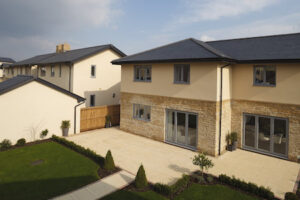 Bloor Homes‘ adoption of PVC-U windows over timber exemplifies the tangible benefits of VE. Improved weather tightness, energy efficiency, and maintenance ease prompted a shift in specification, resulting in cost savings and enhanced aesthetic appeal. This case underscores the practical application of VE principles in achieving superior project outcomes.
Conclusion: Reimagining Construction through Value Engineering
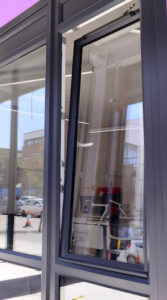 Value Engineering transcends cost-cutting measures, embodying a holistic approach to project optimisation. By embracing innovation, collaboration, and strategic decision-making, stakeholders can unlock untapped value and deliver projects that exceed expectations in terms of quality, sustainability, and affordability.
To learn more and explore the scope of value engineering, its application and how utilisation can benefit a production process contact Eurocell. We offer a range of CPDs where you can gain valuable knowledge and earn CPD points. Register your interest by emailing cpd@eurocell.co.uk
ABOUT EUROCELL
Eurocell creates sustainable building solutions for the trade of today, the homes of tomorrow and the environment of the future.
Headquartered in Alfreton, Derbyshire, Eurocell is at the forefront of the UK’s PVC-U industry, leading the way in the manufacture, distribution, and recycling of PVC-U windows, doors, conservatories, rooflights, roofing and roofline systems.
Eurocell distributes its products through a vast network of window fabricators, housebuilder partners and specifiers, as well as to installers and direct to homeowners offering a range of PVC-U systems including windows, entrance doors, inline patio doors, bi-fold doors, conservatories and cavity closers
Eurocell’s commitment to providing quality sustainable solutions sets it apart, with the largest PVC-U recycling operation in the UK. It operates a closed-loop recycling system, collecting, reprocessing, and utilising waste to create new products. In 2022 alone, Eurocell incorporated 16,700 tonnes of recycled PVC-U in its operations, with windows containing approximately 30% recycled content.
 Visit the Eurocell website