Skip to content
BPindex — The Largest Building Products Directory in the UK

value engineering

Value Engineering in Structural Waterproofing

Building Products Index Ltd Waterproof Membranes, waterproofing Leave a Comment

View the Delta Membranes entry on BPindex

View the Delta Membranes technical drawings

View the Delta Membranes CPD seminars

View the Delta Membranes case studies
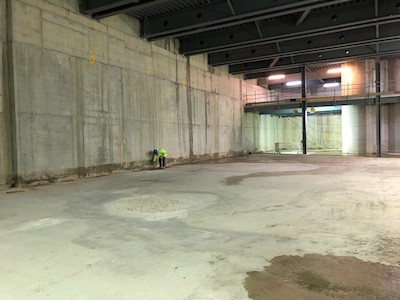
Value engineering is a method to deliver essential project functions at the lowest cost. It substitutes materials and methods with cheaper alternatives without losing functionality. Focused on functions rather than physical attributes, value engineering is also known as value analysis.

Value engineering reviews products in the design phase to cut costs and boost functionality, enhancing product value. It aims to produce items cost-effectively without compromising their purpose. The concept of Value Engineering began at General Electric Co. during World War II.  During the war, there were shortages of skilled labour, raw materials, and component parts. Lawrence Miles and Harry Erlicher at G.E. sought suitable substitutes.

Aligning Value Engineering with Structural Waterproofing

Messrs Miles Erlicher defined product value as the ratio of function to cost. Function is the work an item is designed to perform, and cost covers its life cycle expenses. Increasing product value involves enhancing function or reducing cost. Value engineering includes analysing costs related to production, design, maintenance, and replacement.

Product value =              Function

                                         __________

                                                 Cost

Waterproofing requires a tailored design approach, as there is no one-size-fits-all solution.  So, to achieve value engineering in structural waterproofing, consideration should be given to product, Product performance characteristics, installation, future maintenance and worst-case scenario, refitting flawed or failed systems.

Waterproofing is vital for maintaining the integrity and value of a structure. Poor workmanship, wrong materials, lack of preparation, or missed details during installation can cause failed waterproofing systems, leading to water damage and expensive repairs.  Addressing waterproofing issues early ensures a structure stays in great condition. Although waterproofing costs only 2-5% of a building’s total expense, to rectify failed or flawed waterproofing, can account to nearly 80% of all construction-related problems.

Effective structural waterproofing relies on precise product selection and proper installation methods from the start.

Waterproofing Design
Waterproofing design is essential in construction, employing various methods and materials to prevent water ingress. Effective waterproofing design enhances building longevity and safeguards structures against water damage.

Three key stages to successful waterproofing: design, specification, and installation.

The waterproofing designer will assess “value” and incorporate this into their design.  Not all waterproofing products/materials are equal.  Different products offer varied qualities and features, so it’s important to choose the right one for the project.

A Waterproofing Design Specialist must know various waterproofing systems and BS 8102:2022. They should understand water sources, their interaction with structures, and soil flow. Structural principles and geotechnical knowledge are essential for working with engineers and interpreting soil reports.

Delta Technical Team

Delta’s Technical Team can help you find value engineering solutions for your waterproofing project.  For all your project requirements, Delta’s Technical Team is a dependable resource. Offering expert advice, comprehensive support, and timely practical assistance, we cater to your specific needs. Contact us today to optimise your project’s performance and cost efficiency.    

Tel: 01992 523 523 or drop us an email at info@deltamembranes.com.

Value Engineering – Waterproofing

Building Products Index Ltd Waterproof Membranes, waterproofing Leave a Comment

View the Delta Membranes entry on BPindex

Visit the Data Membranes website

Value engineering is a method to deliver essential project functions at the lowest cost. It substitutes materials and methods with cheaper alternatives without losing functionality. Focused on functions rather than physical attributes, value engineering is also known as value analysis.

Value engineering reviews products in the design phase to cut costs and boost functionality, enhancing product value. It aims to produce items cost-effectively without compromising their purpose. The concept of Value Engineering began at General Electric Co. during World War II.  During the war, there were shortages of skilled labour, raw materials, and component parts. Lawrence Miles and Harry Erlicher at G.E. sought suitable substitutes.

Aligning Value Engineering with Structural Waterproofing

Messrs Miles Erlicher defined product value as the ratio of function to cost. Function is the work an item is designed to perform, and cost covers its life cycle expenses. Increasing product value involves enhancing function or reducing cost. Value engineering includes analysing costs related to production, design, maintenance, and replacement.

Product value        =           Function

                                            _________

                                                  Cost

Waterproofing requires a tailored design approach, as there is no one-size-fits-all solution.  So, to achieve value engineering in structural waterproofing, consideration should be given to product, product performance characteristics, installation, future maintenance and worst-case scenario, refitting flawed or failed systems.

Waterproofing is vital for maintaining the integrity and value of a structure. Poor workmanship, wrong materials, lack of preparation, or missed details during installation can cause failed waterproofing systems, leading to water damage and expensive repairs.  Addressing waterproofing issues early ensures a structure stays in great condition. Although waterproofing costs only 2-5% of a building’s total expense, to rectify failed or flawed waterproofing, can account to nearly 80% of all construction-related problems.

Effective structural waterproofing relies on precise product selection and proper installation methods from the start.

Waterproofing Design

Waterproofing design is essential in construction, employing various methods and materials to prevent water ingress. Effective waterproofing design enhances building longevity and safeguards structures against water damage.

Three key stages to successful waterproofing: design, specification, and installation.

The waterproofing designer will assess “value” and incorporate this into their design.  Not all waterproofing products/materials are equal.  Different products offer varied qualities and features, so it’s important to choose the right one for the project.

A Waterproofing Design Specialist must know various waterproofing systems and BS 8102:2022. They should understand water sources, their interaction with structures, and soil flow. Structural principles and geotechnical knowledge are essential for working with engineers and interpreting soil reports.

Delta Technical Team

Delta’s Technical Team can help you find value engineering solutions for your waterproofing project.  For all your project requirements, Delta’s Technical Team is a dependable resource. Offering expert advice, comprehensive support, and timely practical assistance, we cater to your specific needs. Contact us today to optimise your project’s performance and cost efficiency.    Tel: 01992 523 523 or drop us an email at info@deltamembranes.com.

Learning with Eurocell

Building Products Index Ltd Doors, PVC-U, PVC-U, Windows Leave a Comment

View the Eurocell entry on BPindex

Visit the Eurocell website

NEVER TOO LATE TO LEARN: THE BENEFITS OF CPD

Since its establishment 40 years ago, employees and organisations across industry have committed personal time and company resources to accessing the benefits delivered by continuing professional development – better known as CPD.

Using a structured, practical, methodical, and proactive approach to lifetime learning is enabling thousands of professionals to enhance their skills, identify knowledge gaps, grow individual expertise, and keep abreast of the myriad changes that constantly influence their industry.

Organisations who see the value of CPD and provide staff with the time and access to continuous learning opportunities, find themselves better able to retain key employees and are in a stronger position to support them as they focus on developing the skills necessary to maintain a sustainable and competitive advantage.

CPD benefits

Construction-related CPD seminars and training courses offer numerous benefits to employees and companies. Staff can proactively expand their understanding of the industry and keep up-to-date with the latest regulation changes and newly emerging product developments and solutions.

For their part, smart organisations can use CPD initiatives to ensure standards across the company remain consistently high, staff potential is maximised, and a strong environment of support and learning-based development is fostered.

Many construction institutions require that members undertake CPD as a condition of continued membership (examples include RIBA, CIOB, RICS, RTPI, CIAT, ICE, IStructE), and for some professions, it is a statutory requirement.

To maintain membership of their designated professional body, members must demonstrate they have engaged in a set number of hours of educational participation aimed at improving their knowledge and skill. The activities in which they partake are then CPD-rated and CPD certificates, or ‘Points’, are issued for each activity.

As an example, the annual CPD obligations as a RIBA (Royal Institute of British Architects) Chartered Member, include undertaking at least 35 hours of learning per annum; that half the CPD is structured with learning aims and outcomes, and is taught, face-to-face, online or by distance learning; 20 of the 35 hours must cover the ten mandatory RIBA core curriculum CPD topics; members acquire at least 100 learning points and that they record and keep track of CPD activities.

Specifiers and CPD

Change is often the driving force behind the evolution of an industry. As new techniques and product solutions are exposed to the market, it is important that pivotal roles such as specifiers – charged with recommending and selecting material and product choices that drive project efficiencies, value, and the design vision – are constantly making informed selections based on up-to-date market knowledge.

CPD enables this to happen and is a vital tool in educating specifying professionals and for developing relationships across the supply chain.  Continuous learning provides opportunities to demonstrate how innovating products can deliver value added solutions to design, legislation, sustainability, logistic and on-site challenges that the majority of construction projects face.

The old adage says it’s never too late to learn.  CPD is at the forefront of driving up industry standards, helping professionals to develop enhanced expertise on a continuous basis and delivering the highly skilled workforce the construction industry and the nation requires.

Eurocell CPDs

We offer 3 face-to-face or webinar-based seminars to help support the construction industry understand more about PVC-U fenestration solutions and sustainability:

  1. The past, present and future of PVC-U windows
  2. Value engineering and sustainability
  3. Sustainable use of PVC-U windows to maximise ROI

To find out more or to book, please visit https://www.eurocell.co.uk/specifiers/resource-hub/cpd