Skip to content
BPindex — The Largest Building Products Directory in the UK

Wavin

The Low Down on EPDS

Building Products Index Ltd Drainage Leave a Comment

View the Wavin entry on BPindex

Visit the Wavin website

The lowdown on Environmental Product Declarations and their importance for sustainable construction in the UK.

The construction sector has been dialling up its approach to sustainability for decades, adding new resources to the sustainability toolkit year-on-year. Environmental Product Declarations (EPDs) are one of the latest additions helping developers and specifiers to advance sustainability goals. Used to compare and assess the environmental impact of products, they’re bringing transparency and choice to the construction market.

In this article, we look at how these reports are created, the traction they’re gaining in the UK’s regulatory environment, how they can help businesses meet their sustainability targets and what they’ll mean for specifiers and developers.

What is an EPD?

EPDs are comprehensive, standardised reports that detail the environmental impact of a product. They’re created using Life Cycle Assessment (LCA) methodology, which measures, among several impact categories, CO2 emissions throughout the product’s life – from raw material extraction through to transport, manufacturing, application, and end-of-life use, including recycling potential.

Based on the ISO 14040 and 14044 standards, LCAs give an understanding of a product’s environmental impact, measured against nineteen potential impact categories. This assessment is then used to create an EPD based on EN 15804+A2 which excludes any commercially sensitive information. Both the EPD and LCA are verified by an independent expert against strict protocols.

In the plastic pipe sector, for example, one of the most relevant impact measured is Global Warming Potential (GWP) in kg of CO2-eq. The GWP is an indicator of potential global warming due to emissions of greenhouse gases to air.

Thanks to the specifics and controls around their creation, EPDs are recognised as a standardised baseline for product comparison. By offering transparent, objective information about products’ carbon footprints, water footprints and energy consumption, they help consumers and regulators to make more informed sustainability comparisons and decisions.

“EPDs are credible and reliable because they use a consistent, science-based measurement and always include third party verification.”
Matteo Tagliaferri, LCA Project Manager, Wavin

The growing need for transparent reporting

In line with the saying ‘if you can’t measure it, you can’t manage it’, transparency is now a watchword for organisations committed to sustainability. With the construction industry regularly hit by ‘greenwashing’ claims, and the concept of carbon offsetting losing favour due to a lack of efficacy, it’s more vital than ever that sustainability initiatives are backed with scientifically based, quantifiable evidence. Better yet, standardising this reporting so that products can be easily compared will result in more effective sustainability choices and accelerate the journey to net zero.

Already, countries like Denmark require transparent emissions reporting within construction. All buildings over 1000 m2 will require an LCA from 2023, with specific product data provided via Environmental Product Declarations (EPDs) preferred by the Danish Agency for Housing and Planning. While mandatory EPDs are potentially years away in the UK, there are clear signs that regulators are turning their attention to this area – and that’s going to spell changes for construction professionals.

Are EPDs for the construction industry on the regulatory horizon?

The construction industry is awash with information about the carbon intensity of industrial products, and urgently needs to simplify and streamline sustainability information. This was highlighted in the first Building to net zero: costing carbon in construction report, that called on the Government to introduce “measures requiring suppliers who wish to make an environmental claim about a construction product to produce an EPD to substantiate it”.

The report further tasked the government to streamline access by encouraging “development of a centralised national database of EPDs and, through its own procurement practices require the collection and publication of EPDs. [This] EPD database should be digital, freely available to end users, and user-friendly.” It even suggested the introduction of a scheme to support businesses with the cost and administrative burden of creating EPDs, so the entire sector could be included in this environmental uplift.

The Government’s response broadly embraced these recommendations as they reflected its desire to see more regulatory support for more robust environmental measures in the construction industry. Its response recognised the success of mandatory EPDs in other jurisdictions and acknowledged that EPDs could provide the solution to its COP26 commitment to require “the disclosure of embodied carbon emissions of structural materials… used in major public construction projects, starting no later than 2025”. The Government also pledged to explore options to reduce the burden of EPDs on small and medium-sized enterprises – another indicator that these declarations will become increasingly important in years to come.

Government backing of EPDs in the future makes sense, particularly given its Net Zero commitments. In its Promoting Net Zero Carbon And Sustainability In Construction Guidance Note it outlines that “for the UK to meet its statutory climate targets, including its carbon budgets, requirements are only likely to increase in their stringency. Thus, being forward thinking and innovative, especially on high-value construction projects, is in the interests of both the government and industry.”

We strongly support this stance at Wavin, and sustainability is at the core of everything we do. Using innovation and data-driven targets, we strive to manufacture products with the lowest environmental impact possible, and to provide our customers with full, scientific transparency on the impact each product has. This commitment means that we’ve been investing in EPDs for years – long before the rumblings of regulatory change began. We recognise EPDs as a powerful accelerator of the construction industry’s journey to carbon net zero and we’ve seen interest in them growing year-on-year.

EPDs are a game-changer for specifiers and developers

As more EPDs hit the market, specifiers, architects and developers are better able to understand the environmental footprint of their construction projects and completed buildings. These insights enable the creation of more materially efficient and environmentally friendly buildings.

Making informed product choices at the specification stage can reduce buildings’ CO2 footprints, as well as emissions and operating costs throughout their lifecycles. Considering EPDs when selecting building materials for a new development helps to support internal sustainability initiatives and ensure compliance with external targets. Directly comparing products using EPDs is also a credible way to prioritise ‘green’ building materials, that can contribute credits towards green building certifications such as BREEAM or LEED.

These credentials are positive differentiators in today’s market, and a powerful way to raise your organisation’s profile and demonstrate your environmental commitments. Sustainability accreditations like these can also support tender bids and enable developers to charge a ‘green’ price premium for their builds on the property market. With buyers today increasingly willing to pay more for sustainable builds, this premium fuels price hikes of between 11% and 25% across both commercial and residential construction in the UK and Europe.

With this premium up for grabs, there’s a strong incentive for construction professionals to interrogate every aspect of a build’s CO2 footprint. Transparent, standardised measurements across all three Scopes enables this and encourages all members of the supply chain – from manufacturers to logistics – to step up their sustainability efforts. Products and systems that are lighter, more efficient and easier to install, for example, mean the developer in charge of the project is able to lower their emissions by requiring less transport, fewer products and a reduced level of carbon-intensive installation equipment like excavators. EPDs are also important when it comes to controlling building waste. By offering end-of-life scenarios, they help to encourage the re-use and recycling of building materials.

“There are lots of ways we factor sustainability in. A lot of our products are made from recycled materials and we’re constantly developing more efficient products. This is key because using less has a knock-on effect – less waste, fewer deliveries, fewer repairs and so on.” Adam Salt, BIM Coordinator, Wavin

Developers who want to stay competitive in the market need to start prioritising EPDs in their supply chain. Specifiers should therefore make every effort to liaise with manufacturers who provide EPDs specific to the product they are thinking of using, so that they can select the most sustainable options for their projects.

How EPDs push beyond product comparison 

EPDs are more than a tool to give clients a stronger handle on environmental product comparison. Used to their fullest extent, EPDs are a great asset in product development and provide strong benchmarks against which manufacturers can improve the environmental credentials of products. As more EPDs hit the market, healthy competition will also encourage increased sustainability in manufacturing.

We’ve worked hard to get ahead of this curve and we already use EPDs as a science-based foundation to create more sustainable production processes and to optimise our products. For example, with the help of EPDs, we can clearly report on the effectiveness of our move from grey to green energy across our UK factories. For the sites of Doncaster and Chippenham, switching to renewable electricity resulted in a carbon footprint reduction of 8.100 tons of CO2 –. That’s the equivalent of 5,000 roundtrip flights from London to New York City.

“Our sustainability journey is well underway. Having more insight into the true impacts of our products globally helps us evaluate and optimise our production chain. So, our production becomes more sustainable, and our suppliers and customers get greener, high-performance products and solutions.”
Anneleen Veldhuizen, Sustainability Manager at Wavin EMEA

EPDs have also helped us to identify ‘hotspots’ – areas of significant environmental impact along a product’s lifecycle. Using this information, we can better assist others in the supply chain with more efficient product use, or look at alternative developments to reduce this impact. Plus, they’re helping us to produce increasingly sustainable products using environmentally friendly materials like our next generation bio PVC products that are built to last as well as supporting our various other environmental initiatives.

Wavin’s commitment to developing EPDs for our ranges

We’re on a mission to help build healthy, sustainable environments. That means constantly improving our processes and products to make them more environmentally friendly, and supporting construction companies to reach their own sustainability goals.


Find out more about EPDS at Wavin

The Ultimate Guide to Continuously Operated Recirculated Systems

Building Products Index Ltd Pipes, push fit fittings Leave a Comment

View the Wavin entry on BPindex

Visit the Wavin website

Introduction

Continuously operated recirculated systems, also known as secondary hot water circulation or ring main systems, are an essential component in modern plumbing. These systems ensure that hot water is readily available throughout a building while promoting better hygiene. In this guide, we’ll explore how these systems work, where they are commonly used, and why they are a valuable addition to any plumbing skillset.

Applications of Continuously Operated Recirculated Systems

These systems are particularly popular in large sanitary environments such as healthcare facilities and hospitality settings. Their design significantly reduces the risk of bacterial growth in the pipes, ensuring a hygienic water supply. This makes them indispensable in settings where the cleanliness of the water is paramount.

How Do They Work?

Continuously operated recirculated systems use a pump to circulate hot water through the pipework continuously. This constant flow prevents stagnation and maintains high water temperatures, which inhibits bacterial growth. By reducing opportunities for bacteria to thrive, these systems also lower the risk of Legionnaire’s disease.

Understanding Legionnaire’s Disease

Legionnaire’s disease is a severe form of pneumonia caused by the Legionella pneumophila bacteria, often found in stagnant water. The disease can be life-threatening and is contracted by inhaling water droplets containing the bacteria. Continuously operated recirculated systems combat this by maintaining a water temperature of at least 60°C, which prevents the bacteria from forming.

Ensuring Hot Water Quality

Unlike other hot water systems, continuously operated recirculating systems are easier to disinfect. Two main approaches can be employed:

  1. Thermal Disinfection: Designed to withstand temperatures up to 70°C, the system can be disinfected by heating the water to this temperature and rinsing each tap or sampling point for at least three minutes.
  2. Component Quality: Using high-quality components like the PE-Xc multilayer pipes ensures exceptional performance and longevity.

The Role of Tigris K5

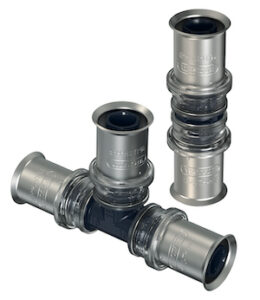
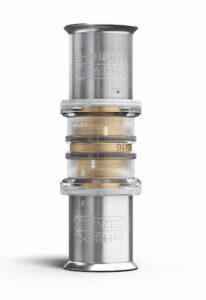
Tigris K5 is a multi-layer composite pipe designed for potable water and heating applications. It offers several advantages over traditional copper piping, such as:

  • Five-layer construction: Includes an inner layer of cross-linked polyethylene, an outer layer of HDPE, and an aluminum layer in between.
  • Oxygen diffusion resistance: Prevents oxygen from entering the water system, reducing the risk of corrosion.
  • Thermal expansion comparable to copper: Ensures stability in varying temperatures.
  • Flexibility and fewer fittings: Speeds up installation and lowers material costs.

Unique Features of Tigris K5

  • Acoustic Leak Alert: Emits a loud whistle to identify any unpressed fittings.
  • Opti Flow: Enhanced inner bore improves flow performance.
  • Multi Jaw: Can be pressed with all common profiles.
  • Easy Fit: Allows for easy pipe insertion without calibration.
  • In4SureTM: Provides clear visual cues for unpressed sleeves.
  • Ultra Seal: Offers reliable O-ring sealing, tested beyond market standards.
  • Pipe Grip: Ensures pipes stay in position before pressing.

Providing Hygienic Water Supplies Across the UK

Traditional hot water systems can foster bacterial growth due to stagnant water. Continuously operated recirculated systems maintain water temperatures above 60°C and ensure constant water movement, significantly reducing this risk. They also guarantee consistent water pressure and availability, making them a superior choice for maintaining a hygienic water supply.

Conclusion

As the demand for these systems grows, plumbers who can expertly install and maintain continuously operated recirculated systems will find themselves in a thriving market. For more information or assistance with your project, contact our UK technical support center. Our experienced team is ready to offer advice and expertise. Additionally, explore our range of technical downloads, installation guides, and product details available online.

Don’t hesitate—get in touch today and take advantage of our comprehensive resources.

Visit Wavin UK | Tigris K5 – New Press Fit Pipe system for more information.

Wavin’s Guide to Sustainable Plumbing

Building Products Index Ltd Pipes, Plastic piping Leave a Comment

View the Wavin entry on BPindex

Visit the Wavin website

An annual investigation into consumers attitudes towards sustainability and sustainable behaviours shows that they are becoming more environmentally conscious. In fact, when compared to data collected in 2022, this year’s results showed more consumers have been adopting a sustainable lifestyle by improving their habits at home.

As well as uncovering what consumers do and what they care about, the study also found, from a business perspective, that trust in brands improves when there’s evidence a company takes sustainability seriously and adopts green principles.

With this in mind, we’ve created this guide to highlight some of the main benefits you’ll experience by implementing a greener approach within your business. We’ll look closely at several areas most relevant to you including the materials you work with, supporting homeowners to improve their property’s energy efficiency and exploring changes you could make to your general business operations to improve your green credentials.

Subscribe to Wavin Plumbedin monthly emails here to receive the guide.


Introducing the new Wavin Tigris Manifolds

Building Products Index Ltd Pipes, push fit fittings Leave a Comment

View the Wavin entry on BPindex

Visit the Wavin website

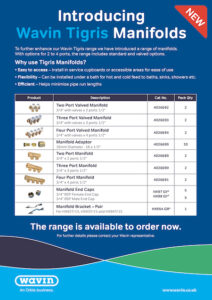
Wavin have added a new range of manifolds to their innovative Tigris Press fit range. With options for 2 to 4 ports, the range includes standard and valved options. The manifolds give easy access to install in service cupboards or accessible areas for ease of use. Additionally, the manifolds give extra flexibility meaning it can be installed under a bath for hot and cold feeds to baths, sinks, and showers.

The introduction further enhances the Wavin Tigris K5/M5 press-fit system of multilater composite pipe (MLCP) family. With a testing system, the Tigris K5/M5 has a range of benefits that make it the go-to product for plumbing installations involving drinking water, chilled water, heating systems, and underfloor heating systems. The Tigris K5/M5 is designed to prevent errors made during installation, resulting in a reliable and durable connection that has been tested beyond the requirements for a 50-year lifetime.

Pipelines have been historically tested using water pressure, a method that comes with great risk. The greatest being legionella, a water-borne bacteria that can cause a potentially fatal lung infection in those who breathe in infected water droplets. Evidence suggests that this bacteria could develop if pipes aren’t effectively dried after water-pressure testing. The on-going concern for those involved in building large-scale projects has led Wavin to help combat the issue. The Tigris K5 system uses air-pressure testing, which tests the pipes effectively without the risk of droplets developing bacteria.

The Tigris system also employs an 80-decibel pressure leak alert, which sounds a high-pitched whistle when a leak is detected – enough to be heard in the loudest environments. Designed by specialist engineers at Wavin, this is the world’s first acoustic leak alarm, setting the Tigris K5 firmly apart from any other systems on the market.

A new wave of future-fit homes supported by Wavin Indoor Climate Solutions (ICS)

Building Products Index Ltd Heating, Thermostat, underfloor heating Leave a Comment

View the Wavin entry on BPindex

Visit the Wavin website

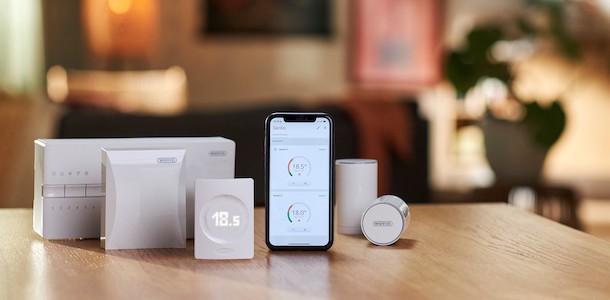
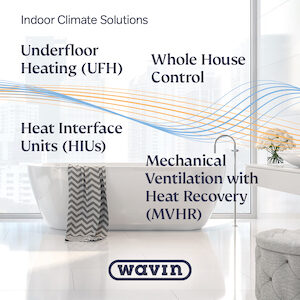
Wavin has launched a new single-source solution for indoor climate, including underfloor heating, thermostats and controls, mechanical ventilation, and heat interface units. With tailored systems to meet all the latest building standards for energy efficiency, indoor air quality, and ease of use in residential new builds.


The increasing consciousness of homeowners for energy efficient measures and changes to UK building regulations are changing the way homes are heated and ventilated. Wavin has just released its new research on how indoor climate solutions can add value for new homeowners. 93% of prospective buyers are concerned about energy costs and this sort of attitude has spurred on the need to know about energy performance measures included in a home on a new development. The question now is how to put this into practice and how developers can provide these requirements. Wavin’s indoor climate solutions can be the answer.

Key features of Wavin ICS:

  • Seamless integration of underfloor heating, MVHR, zone control, and heat interface units for heat network projects
  • Low maintenance and easy installation
  • Proven to deliver a more comfortable, healthier, and controllable living environment, with greater energy efficiency and lower carbon emissions

Martyn Neil, Wavin UK Commercial Director of ICS comments: “This is a real opportunity for developers to set themselves apart from the competition. Talking buyers through how their new home has been designed and constructed using the latest energy-saving heating and ventilation technology could be what it takes to tip interest into purchase”.

To find out more about Wavin indoor climate solutions and request a free consultation visit Wavin UK | Indoor Climate Solutions

NEW TREND-LED ANTHRACITE GREY GUTTERING AVAILABLE FROM WAVIN OSMA

Building Products Index Ltd Pipes, Plastic piping Leave a Comment

View the Wavin entry on BPindex

Visit the Wavin website

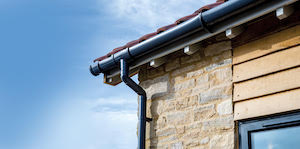
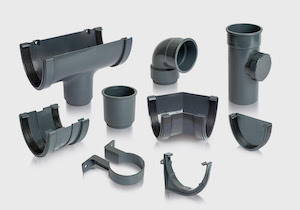
Installed pic for AnthraciteThe UK’s leading manufacturer of plastic pipe systems, Wavin, has updated its Osma DeepLine semi-elliptical guttering range, with a new, sleek ‘anthracite grey’ (RAL 7016) addition. The product matches the increasingly popular colour scheme being used for external windows and doors across the UK. The development of the new profiled gutter follows a substantial rise in demand for products from Wavin’s drainage brand, Osma.

Anthracite Gruop pic1Steve Skeldon, Above Ground Product Manager at Wavin said: “Grey external accents on homes and buildings have been growing in popularity and are now on-trend, in fact research suggests that anthracite grey is now the most popular shade of grey for new windows and doors in the UK. By colour-matching prominent yet peripheral features like guttering, buildings can really be brought to life. The neutral tones of the anthracite grey finish also mean this new design is incredibly versatile, and looks great when paired with both darker and lighter external colour schemes on modern and traditional architecture.”

Matching Anthracite -2Osma’s DeepLine semi-elliptical systems have been engineered to handle more rainwater than similar sized systems, all from a unique hydrodynamic outlet. The specialist seal technology also provides a completely secure, watertight fixture which allows flexibility for thermal expansion on hotter days.

DeepLine products are also easy to install as the ‘Flexiclip’ seal jointing mechanism makes it simple to connect gutter units to fittings with an expansion line and stopper, ensuring a reliable and efficient installation every time. 

To further enhance the look of the guttering systems, Osma fittings have been engineered with concealed sockets to hide roughly cut downpipe ends, meaning DeepLine now offers the highest levels of practicality and reliability, while blending into existing design aesthetics.

 To find out more about Osma’s new DeepLine range and its anthracite grey addition, visit the Wavin website at https://www.wavin.com/en-gb/catalog/rainwater-stormwater/roof-drainage/osma-deepline.

WAVIN LAUNCHES NEW GENERATION OF LOW NOISE PIPE SYSTEMS: WAVIN AS+

Building Products Index Ltd Plastic piping Leave a Comment

View the Wavin entry on BPindex

Visit the Wavin website

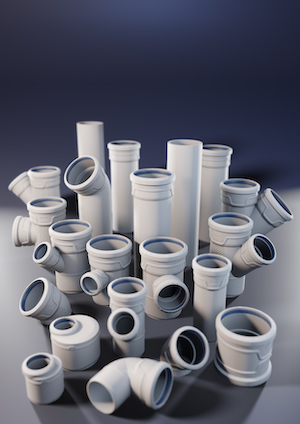
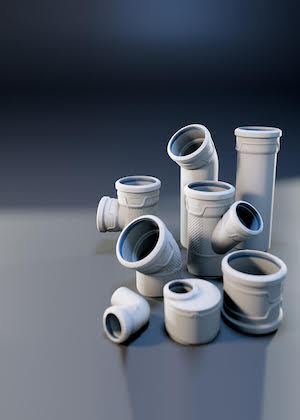
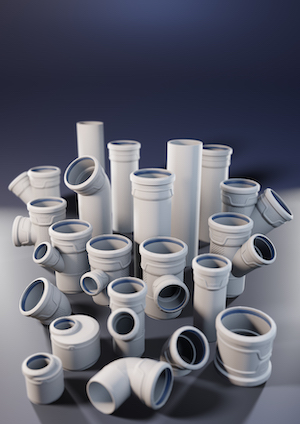
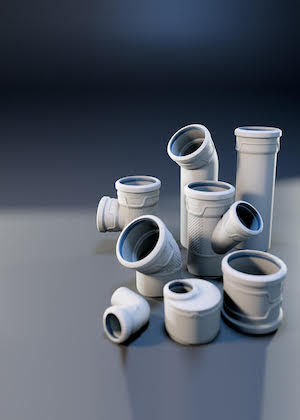
Wavin AS+ portfolio overview_96dpi_2480x3508px_X_NR-52347Noisy pipes present a challenge in multi-storey buildings all over the world. Whether hospitals, hotels, residential developments or offices, pipe noise can be far costlier to fix post-build than if addressed during planning. Building on the successful 30-year plastic low-noise legacy of the Wavin AS system, the new and improved Wavin AS+ solution provides advanced noise reduction in soil and waste systems.

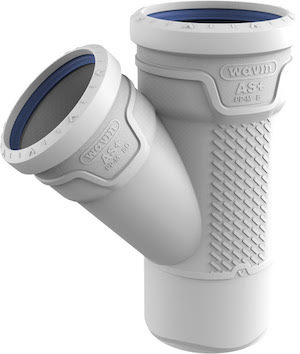
This new product significantly improves on the existing AS range, with AS+ now reducing the noise level of soil & waste systems better than any other plastic pipe currently in the market. The new solution has a compact design ideal for small and narrow spaces, a unique material composition that delivers perfect sound absorption, and a patented blue seal that enhances leak and failure-proof installation. All of these advancements aid the pipe’s ability to minimise noise pollution, as well as make installation as easy as possible.

Key features of Wavin AS+:

  • Super-easy installation
    • A sculptured spigot significantly reduces push-in force and the self-lubricated blue seal ensures both quiet performance and super-easy installation.
  • Patented blue seal
    • With integrated lubrication, both the composition and shape of Wavin’s blue seal supports a leak-free, easy and failure-proof installation.
  • Wavin Soundcheck Tool
    • To support the planning process, Wavin’s new Soundcheck Tool provides an easy six-step way for meeting the latest in noise regulations, by simulating system acoustics in final installation.

AS+4 AS+5


Karen Stables, marketing manager at Wavin said: “We’re extremely excited about this latest evolution of our AS range. We’ve invested a great deal of time effort in developing exactly the right materials and design. The Wavin AS+ represents a whole new level of performance for plastic low-noise soil and waste systems and an ideal solution for engineers and installers.”.

While the new AS+ range is perfect for multi-residence projects, it is also suitable for a variety of other applications. Like other Wavin plastics, the material used is durable, corrosion-resistant and able to withstand the chemical attack of all kinds of aggressive waste waters, meaning that more complex settings, such as commercial, healthcare and manufacturing projects, can also benefit from the low noise capabilities of the system.

To find out more about Wavin’s new AS+ range, visit http://www.wavin.co.uk/

WAVIN LAUNCHES NEW GENERATION OF LOW NOISE PIPE SYSTEMS: WAVIN AS+

Building Products Index Ltd Drainage, Pipes, Plastic piping Leave a Comment

View the Wavin entry on BPindex

Visit the Wavin website

Wavin AS+ portfolio overview_96dpi_2480x3508px_X_NR-52347Noisy pipes present a challenge in multi-storey buildings all over the world. Whether hospitals, hotels, residential developments or offices, pipe noise can be far costlier to fix post-build than if addressed during planning. Building on the successful 30-year plastic low-noise legacy of the Wavin AS system, the new and improved Wavin AS+ solution provides advanced noise reduction in soil and waste systems.

This new product significantly improves on the existing AS range, with AS+ now reducing the noise level of soil & waste systems better than any other plastic pipe currently in the market. The new solution has a compact design ideal for small and narrow spaces, a unique material composition that delivers perfect sound absorption, and a patented blue seal that enhances leak and failure-proof installation. All of these advancements aid the pipe’s ability to minimise noise pollution, as well as make installation as easy as possible.

Key features of Wavin AS+:

·       Super-easy installation

o   A sculptured spigot significantly reduces push-in force and the self-lubricated blue seal ensures both quiet performance and super-easy installation.

·       Patented blue seal

o   With integrated lubrication, both the composition and shape of Wavin’s blue seal supports a leak-free, easy and failure-proof installation.

·       Wavin Soundcheck Tool

o   To support the planning process, Wavin’s new Soundcheck Tool provides an easy six-step way for meeting the latest in noise regulations, by simulating system acoustics in final installation.

AS+5Karen Stables, marketing manager at Wavin said: “We’re extremely excited about this latest evolution of our AS range. We’ve invested a great deal of time effort in developing exactly the right materials and design. The Wavin AS+ represents a whole new level of performance for plastic low-noise soil and waste systems and an ideal solution for engineers and installers.”.

 While the new AS+ range is perfect for multi-residence projects, it is also suitable for a variety of other applications. Like other Wavin plastics, the material used is durable, corrosion-resistant and able to withstand the chemical attack of all kinds of aggressive waste waters, meaning that more complex settings, such as commercial, healthcare and manufacturing projects, can also benefit from the low noise capabilities of the system. 

 To find out more about Wavin’s new AS+ range, visit http://www.wavin.co.uk/

WAVIN LAUNCHES STORMFORCE: A SINGLE SOLUTION TO STORMWATER MANAGEMENT

Building Products Index Ltd Drainage, Stormwater Drainage Leave a Comment

View the Wavin entry on BPindex

Visit the Wavin website

Wavin, the UK’s leading manufacturer of plastic pipe systems, has launched StormForce – an innovative single-source solution to stormwater management.

Dramatic stormy dark cloudy sky over sea, natural photo background

Developed to streamline the stormwater management supply chain, StormForce will see Wavin handle the entire design, supply and installation of stormwater tanks and their associated infrastructure, from capture and attenuation to dispersal.

With StormForce, Wavin aims to simplify project management, increase efficiencies and minimise risk for developers, contractors and civil engineers when it comes to implementing quality sustainable drainage systems (SuDS) within essential infrastructure.

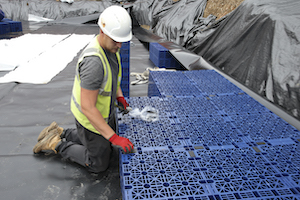
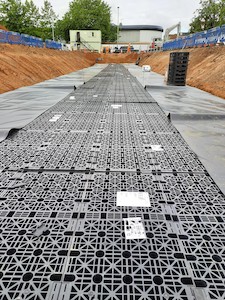
Wavin AquaCell Core 1As part of the end-to-end service, Wavin will first consult and advise on site, identifying and resolving site-specific issues and ensuring compliance with statutory and environmental regulations and best practice, before value-engineering the optimum design. The required products and components will then be manufactured by Wavin to the highest standards and then finally installed by fully trained and accredited StormForce partners. The installation will also be underpinned with a five-year warranty.

BBA-approved stormwater systems available as part of the StormForce service include Q-Bic Plus, the most accessible, inspectable and cleanable attenuation tank on the market, compliant with Ofwat’s new Design & Construction Guidance; AquaCell, the ultimate modular solution for a variety of applications, from landscaped to heavily trafficked areas; and a range of inspection chambers and accessories.

Wavin_Hatfield-7Martin Lambley, product manager for stormwater management at Wavin, said: “The industry has needed a solution like StormForce for a long time, and we’re delighted to now offer a turnkey solution for customers when it comes to stormwater management. With every detail managed by Wavin under a single contract, developers no longer need to coordinate multiple providers or worry about elements not being completed on time or to the right standard.

“By handing the responsibility over to Wavin, customers can have total confidence that the project is being taken care of by stormwater specialists, and that, from start to finish, all aspects will be taken care of efficiently, to the highest quality and in accordance with industry regulations and best practice.”

Stewart McKechnie, site agent at Nationwide Engineering, an initial StormForce client, said: “StormForce really does deliver. One-source supply and surface water management is totally sorted, so we can get on with the build. It’s fast, compliant, sustainable and top quality – what more could you want?”

To book a consultation or get a quick estimate with Wavin’s dedicated stormwater management experts, visit www.wavin.co.uk/stormforce

HEP2O’S STATE OF THE NATION 2020: WHAT CUSTOMERS REALLY THINK OF PLUMBERS

Building Products Index Ltd Pipes, push fit fittings Leave a Comment

View the Hep2O entry on BPindex

Visit the Hep2O website

HEP20_SOTN_pic1 copy 2Leading push-fit plastic pipe brand, Hep2O, has launched State of the Nation 2020, with the research delivering some fascinating findings for the UK’s plumbers. Wavin, who manufacture Hep2O, scoured the country to understand what customers really think of plumbers and how the current pandemic has affected their trust in this essential trade. Overall plumbers get a thumbs up, with the majority of homeowners (a whopping 73 per cent) still happy to invest in plumbing work and to welcome plumbers into their homes.

HEP_SOTN_Infographic1 copyThe State of the Nation survey asked homeowners the questions that plumbers have always wanted to know, but were too afraid to ask, including would you leave a plumber alone in your house, do you attempt your own plumbing work and where do you find a new plumber?

The final results provide some useful insights into how plumbers should be working with their customers. Just over a third of people (35 per cent) prefer to find a plumber through recommendations from friends or family, meaning a good reputation and word of mouth is key. When it came to the most important factors homeowners look for in a plumber, cost and recommendation came out top, with just under half of respondents (49 and 48 per cent respectively) saying they were their top priority. The research also shows that if plumbers are planning on emailing their customers, then they shouldn’t! Most (57 per cent) want tradespeople to pick up the phone for a chat to talk about work. And when it comes to leaving plumbers alone in their home it seems that there’s a mutual trust, as 82 per cent said they would fully or somewhat trust them.

HEP_SOTN_Infographic2 copyNot only did the research provide some practical advice, it also shines a light on the brilliant work and talented tradespeople out there. 75 per cent of homeowners stated that they have always been happy with their plumbing work and haven’t needed to complain about a service.

Karen Stables, Marketing Manager at Wavin said: “We want to help installers by helping them to understand their customers even better. We know that plumbers are busy people so there’s rarely a chance for them to stop and take stock of the industry as a whole. In the current environment it’s more important than ever that tradespeople are able to maintain and grow their business, and this research will provide some key insights to help them improve their customer’s experience and win more jobs.”

HEP20_SOTN_pic2 copyThe survey is just the beginning for State of the Nation 2020. We also put the findings to key influencers in the plumbing community to find out what they really think. Our video series brings their thoughts to life, it really explores the different topics and looks at practical ways this information can be used. Some key themes emerged so we’re launching two masterclasses focusing on promoting your business and financial management tips, run by experts in these fields, which will be launched across our social channels in the coming weeks.

HEP_SOTN_Infographic3 copyHep2O couldn’t address the biggest topics of 2020 without mentioning COVID-19. During lockdown, additional research was carried out to find out how safe customers feel having tradespeople in their house, whether they view plumbers as keyworkers, and what safety measures they would expect plumbers to have in place throughout the pandemic.

A huge 75 per cent said they would want plumbers to abide by social distancing, 73 per cent would ask them to wear masks and 45 per cent would prefer if they wore gloves Even though the majority were happy to have plumbers in their homes at the moment, 27 per cent of customers still aren’t comfortable. Despite this, there is clear admiration for the trade as 82 per cent said they viewed plumbers as keyworkers throughout the pandemic.

To watch the full State of the Nation video and catch a glimpse of some familiar plumbing faces, click here or visit: https://www.wavin.com/en-gb/sotn