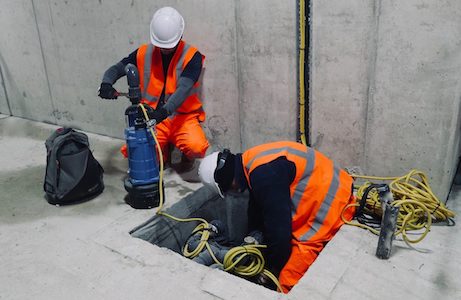
Valuable Insights to Flood Risks in Basements
View the Delta Membrane Systems entry on BPindex
Visit the Delta Membrane Systems website
Flood risks are not always a primary concern during the design process of waterproofing below-ground structures. Designers often focus on other aspects, overlooking the potential hazards associated with flood risk. However, considering flood risks from the outset is crucial for ensuring the long-term safety of occupants and durability of these spaces.
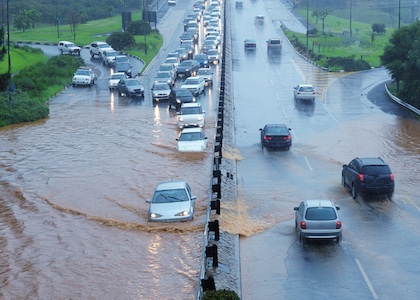
Kevin Dodds, Managing Director at Delta Membrane Systems Limited, provides guidance on the essential considerations to reducing risks in below ground structures.
Flood Risks in Basements?
Basements are highly susceptible to flooding because of their below-ground location. Recognising the potential dangers of water entering these spaces is crucial when planning or maintaining a basement. It is important to evaluate the likelihood of a flood event, which can occur due to heavy rainfall, increased groundwater levels, or other local flooding events. Addressing these risks can help prevent costly water damage, structural problems, and health issues.

Safety First – Means of Escape
A “means of escape” from a basement is a safe and unobstructed route that allows occupants to leave the building and reach a place of safety in an emergency (for example, fire). In England, the Building Regulations guidance in Approved Document B sets out requirements for escape from habitable basement rooms, which typically must be served by an appropriate protected escape route and/or a suitable emergency egress window or door, depending on the specific layout and fire strategy.
In a flood, however, the usual route of escape via the staircase may be cut off, preventing occupants from reaching safety above ground.
Where flood risk is credible, consider another way out/means as escape such as a secondary exit at a higher level or a suitably designed emergency egress window/lightwell. Plan for situations where escape isn’t immediately possible: A managed place of refuge with a means of communication may be appropriate, aligned with the building’s overall fire and flood strategy.
Practical Tips for Mitigating Flood Risks
To reduce the chances of basement flooding, implement appropriate PFR (Property Flood Resilience) measures.
Routine inspections and maintenance of drainage systems, sump pumps and take steps to ensure that waterproofing protection system is suitably maintained can significantly lower the risk of water entry into a property. Use of monitoring systems on pump stations for surface water and ground water can provide early warning of increased risk of flooding and ensure appropriate actions can be taken prior to a flood event.
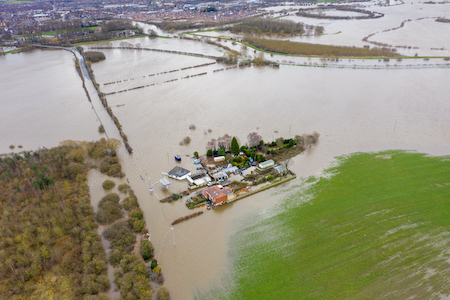 It should be recognised that it is not always appropriate to apply every possible property flood resilience (PFR) measure to a building. For example, where hydrostatic pressure during a flood could place the structure at risk, a controlled water-entry strategy may be preferable to full water exclusion.
Designers can influence flood performance at a variety of scales, from site planning through to component specification. It is vital that designers understand the range of strategies available to improve a structure’s flood resilience. Effective flood-resilient design can reduce exposure and vulnerability, limit damage, and support quicker recovery after a flood event. In practice, the strongest approaches is to plan for both water exclusion and managed water entry, depending on risk and context. The most cost-effective way to improve resilience is to implement appropriate measures as early as possible in the design process.
Flood Risk Assessment for Basements
Assessing site-specific flood risk is a critical early step in developing an effective design strategy.
Basements are particularly vulnerable to flooding due to their below-ground level position. When planning or maintaining basement spaces, it is essential to carefully assess potential flood risks. This includes evaluating the likelihood of water ingress during heavy rainfall, rising groundwater levels, or other local flooding events. Attention to these risks can help prevent water damage, structural issues, and potential health hazards.
The designer’s philosophy should set out what the PFR measures are intended to achieve and the principles that will guide the approach. A thorough risk assessment and a clear, robust design philosophy are essential when specifying a continuous system, as they will influence not only how the system is detailed and installed, but also the inspection, maintenance and any future repair or alteration requirements that ultimately affect the property owner.
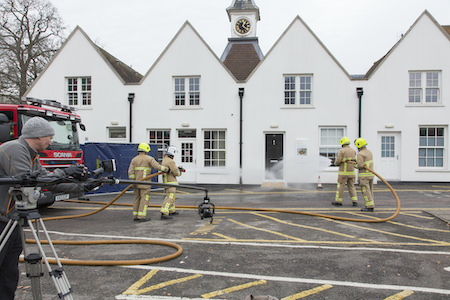 Flood-resilient design should be viewed as an opportunity for joined-up thinking to develop better, more integrated solutions. There is no one-size-fits-all approach to successful PFR: each type of flood event has distinct characteristics that influence the suitability of the chosen strategy. A suitable solution should reflect the building type and materials, ground conditions, conservation requirements and property owner needs.
Always Happy to Help
We offer expert waterproofing/PFR design and manufacturing collaboration, with PI insurance covering all design support and construction of our protection systems. Our installations are guaranteed and backed by a nationwide network of Delta Registered Installers.
Delta’s Technical Team provides timely advice and support for your project needs. Contact us at 01992 523 523 or info@deltamembranes.com.