Skip to content
BPindex — The Largest Building Products Directory in the UK

ventilation

Experience Sentio like Never Before

Building Products Index Ltd controls, Heating Leave a Comment

View the Wavin entry on BPindex

Visit the Wavin website

In line with Wavin’s commitment to innovation and product development, we’re pleased to share a new Sentio app is now available.

Developed in response to valuable feedback from homeowners and installers, this update offers a more intuitive and user-friendly experience while preserving the familiar functionality users rely on every day. Features such as scheduling, holiday mode and indoor climate control remain available, now supported by a refreshed design, clearer navigation, a notification centre, and important security improvements.

Designed around user feedback

At Wavin, we believe the best digital solutions are built together with their users. Over recent months, we have listened carefully to feedback from customers using the Sentio App in their daily lives.

The result is a redesigned user experience with clearer navigation, improved accessibility and a modern look and feel. Whether adjusting comfort settings, checking room conditions, managing schedules or setting vacation mode, users can continue to access the tools they know, now in a more intuitive way.

What’s new?

In addition to important security updates and the familiar functions already available in the Sentio App, the new release includes several user-focused enhancements:

  • Modern and intuitive user interface
  • Improved room and climate insights
  • Easier heating, cooling and ventilation control
  • New climate history graphs and trend visualisation
  • Improved scheduling experience
  • Dedicated notification centre for alerts and maintenance reminders
  • Enhanced accessibility and overall usability

The update is available via the App Store and Google Play now. Discover more about Sentio here.

Wavin Launches Dedicated Installer Network

Building Products Index Ltd Heating, underfloor heating Leave a Comment

View the Wavin entry on BPindex

Visit the Wavin website

Leading drainage and plumbing manufacturer Wavin, has launched a brand new Installer Network providing practical and technical support for underfloor heating, ventilation, and heat recovery installers.

The Wavin Installer Network (WIN) is a free to join initiative that enables installers to gain access to expert guidance, bespoke training, and priority technical support.

WIN members will receive a dedicated Wavin support expert to assist with project requirements, technical solutions, and on-site support. Additional benefits include promotional opportunities through Wavin’s marketing channels and branded workwear.

Installers listed on WIN will also benefit from increased visibility, as homeowners and developers can search for accredited professionals in their area through the platform.

Martyn Neil, Business Development Manager for Indoor Climate Solutions at Wavin said: ‘The launch of the Wain Installer Network marks a significant step in making sustainable, energy-efficient solutions more accessible – through helping the trade. By joining the WIN, installers can expand their market through bespoke training and enhance their skills and knowledge, while also benefitting from recognition and promotion as a trusted Wavin partner’.

Wavin are committed to helping professional installers and developers deliver the energy-efficient and lower-carbon homes demanded by our net-zero commitments and by the Future Homes and Buildings Standards.

Jaga UK opens new low-carbon showroom and training facility in Herefordshire

Building Products Index Ltd Heating, Ventilation Leave a Comment

View the Jaga UK entry on BPindex

Visit the Jaga UK website

Jaga UK, designers and manufacturers of innovative, sustainable heating, cooling, and ventilation systems, has officially opened its new purpose-built low-carbon facility in Ledbury, Herefordshire.

The state-of-the-art facility, named ‘Kriekels House’ after the company’s founding family, was opened on 20 June with a ceremony attended by Jaga employees, customers, suppliers, and industry partners.

A Vision for Net Zero

Jan Kriekels, the CEO and visionary leader of Jaga, emphasised the company’s commitment to accelerating the decarbonisation of buildings. During his address, he highlighted the importance of achieving net-zero emissions and showcased Jaga’s role in this global initiative before cutting the ribbon to officially open the facility.

The opening marks a significant milestone for Jaga as it’s home to the company’s first state-of-the-art UK demo and training facility, where they can showcase the powerful heating and cooling capacity of their products with heat pumps, and visitors can get hands-on experience with low-carbon HVAC technologies.

Features of Kriekels House

In line with the company’s sustainability ethos, Kriekels House was designed with a fabric-first approach to maximise energy-efficiency and minimise carbon emissions. The building features:

  • Offices and warehouse space: Providing a comprehensive operational base to service UK customers.
  • Demo and training facility: The first of its kind in the UK, this space allows visitors to experience Jaga’s heat pump radiators and other low-carbon HVAC technologies in action. It will be available for hands-on training for HVAC professionals and students.
  • Heating and cooling: Provided by high-efficiency, low-temperature heat pump radiators powered by a combination of a 15kW ground source heat pump and four 16kW air source heat pumps.
  • Solar PV: Solar panels covering half the roof space generate over 120,000 kWh annually, supporting the facility’s energy needs and providing electric car charging stations for staff and visitors.
  • Advanced Building Management System: A Qbus system manages HVAC, lighting, and security, ensuring optimal performance and energy efficiency.
  • Fully accessible plant room on display: Visitors can see the full workings of a building serviced by renewable technologies.

A Hub for Learning and Innovation

Phil Mangnall, Managing Director of Jaga UK, expressed excitement about the new facility, saying,

“After 11 months of building, we’re delighted to have moved into and officially opened our new building.

Kriekels House is designed to foster learning and innovation, and embodies our company ethos – centred around sustainability, creativity and social responsibility. Powered by renewable technologies, with open workspaces and dedicated training areas, we are well-equipped to continue delivering exceptional products for our customers and we hope to play a key role in inspiring the next generation of HVAC engineers to help design the net zero buildings of the future.

We’d like to thank everyone who worked on Kriekels House, helping us make our dream sustainable facility a reality. Here’s to an exciting future in our new home.”

ABOUT JAGA UK

Jaga are pioneers in designing innovative, ecologically sustainable heating, cooling and ventilation systems using less energy and fewer raw materials, ensuring a better indoor climate without damaging the outdoor climate.

The opening of Kriekels House emphasises Jaga UK’s dedication to sustainability and innovation, positioning the company at the forefront of the green building revolution.

For more photos from the event, see Jaga UK’s Latest News

Carbon neutral solution for premium Sydney office tower

Building Products Index Ltd Ventilation Leave a Comment

View the Lindab entry on BPindex

Visit the Lindab website

When Australian HVAC supplier, ACS, were given the opportunity to provide an indoor climate solution for a project committed to carbon neutrality, their first thought was to contact Lindab for support.

Metro Martin Place North Tower was set to be a striking addition to the Sydney skyline and achieve new levels of occupant comfort in premium office space. The client was an early adopter of chilled beam technology in other premises and positive feedback from staff informed their choice for the new building.

Carat chilled beams from Lindab are highly valued in high-end office buildings for their excellent user comfort in addition to being Eurovent certified for energy efficiency however, to establish if the ultimate deliverables would meet the client’s aspirations, comprehensive further testing was needed.

Lindab tested to successfully prove that the required design conditions could be realised and to evaluate performance in possible scenarios such as extreme weather conditions.

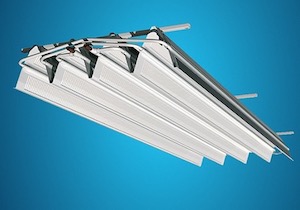
What makes Carat so effective is the unique cold-rolling process used to manufacture the heat-carrying profiles. The process fully encapsulates the water-carrying copper pipes within two thin aluminium heat absorbing sheets. The copper pipe is metallurgically united with the aluminium, ensuring optimised heat transfer. This manufacturing process not only produces a highly effective heat exchanger, it does so with relatively little material.

Lindab Carat- Passive radiant chilled beam

The Carat H-84 proposed for the project weighs just 5 kg per metre but provides up to 260 W of cooling per metre, representing over 50 W of cooling per kg of material. This translates to an extremely high ‘cooling density’ for a passive device.

Lindab also addressed the issue of packaging and transportation of the product by nesting goods in pairs and loading them onto crates made of sustainable timber. This has contributed to the relatively low use of materials and transport, contributing towards the low carbon goals.

The fact that Carat can demonstrate relatively low usage of materials and transport would suggest that it is a good candidate to realise carbon neutrality. This has been investigated further via The Footprint Company, via Dr Caroline Noller.

The Footprint Company complete an embodied carbon assessment of the Carat beam, in addition to alternative beam solutions being considered for the project and were able to show that Lindab beams have approximately 50% lower embodied carbon than the competitor alternative and full offset for carbon neutrality could be achieved for a relatively small cost.

The assessment also highlighted opportunity for Lindab to further reduce embodied carbon through an increase in recycled materials. Subsequently, Lindab have re-confirmed the use of more recycled material and TFC have generated an updated Carbon Product Declaration for the products.

ACS were able to provide a satisfactory solution with a proposal to purchase carbon offsets as necessary to offer the products are net zero.

Metro Martin Place North Tower, Sydney

The project demonstrates how Lindab continues to provide industry leading systems by testing and developing products and technology. And further to this, it shows the commitment Lindab have to their core value of helping customers achieve success in reaching their goals and their mission to improve indoor air quality for a better climate.

WHOLE HOUSE HEATING GUIDE FROM OMNIE

Building Products Index Ltd Heating, underfloor heating Leave a Comment

View the OMNIE entry on BPindex

Visit the OMNIE website

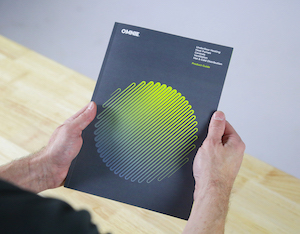
The latest Product Guide from OMNIE covers all aspects of underfloor heating as well as the manufacturer’s holistic range of heat pumps, controls, ventilation and hot & cold water distribution.  Indeed, these chapters reveal OMNIE’s philosophy of ensuring its five principal technologies work together in what it calls the Whole House System.

Omnie Brochure Cover 2(1)OMNIE offers underfloor heating solutions to suit all types of building, from new-build to refurb, from offices to churches: embracing screeded floors, timber suspended and batten, floating and low build-up/overlay, and even acoustic options.  Each of the floor types are covered in terms of imagery, heating performance and specifications while, for those that require more technical detail, a QR code is provided, which enables the reader to download data sheets and installation guides for each product.

Towards the end of the 114 pages are contact details outlining how to obtain help and support for architects and other specifiers, industry installers and homeowners, along with common questions and information on the RIBA-approved CPD courses.  Finally, ‘Starting your project’ explains how to get a quote and specification, placing an order and information on servicing and commissioning.

While UFH is accepted as optimising the performance of heats pumps, OMNIE can supply a full selection of air and ground source models, suitable for almost any building, irrespective of size, usage or heat loss characteristic. Then there are the advanced controls – including smartphone apps – and heat recovery ventilation systems available to ensure occupants not only enjoy efficiency and comfort but also a healthy indoor environment.

The beautifully presented A4 book features high-quality photography and technical drawings to support the various systems and the important fact that they are manufactured in an environmentally responsible way, using British-made component materials wherever possible – even the publication itself is made from carbon neutral paper.

Whatever your project parameters or your past experience of specifying Whole House Heating Systems, OMNIE has the product portfolio and expertise to help deliver a successful outcome.

The new Omnie Product Guide can be downloaded from the website – www.omnie.co.uk


FOR FURTHER INFORMATION, PLEASE CONTACT:

OMNIE, 18 APPLE LANE, SIDMOUTH ROAD, EXETER, DEVON, EX2 5GL.

TEL: 01392 363605       FAX: 01392 364871

EMAIL:     projects@omnie.co.uk       WEB:      www.omnie.co.uk


PRESS RELEASE ISSUED BY:  J. WARD TURNER PUBLICITY LTD.

WESTERHAM LODGE, WESTERHAM ROAD, KESTON, KENT. BR2 6DA.

TEL:  01689 854868    FAX:  01689 860246  EMAIL:   pr@wardturner.co.uk

Custom-made rooflights for custom-builds.

Building Products Index Ltd Rooflights Leave a Comment

View the National Domelight Company entry on BPindex

Visit the National Domelight Company website

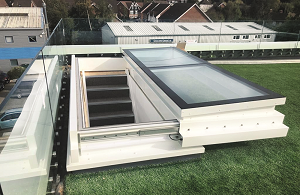
MASTER Sliding glass rooflight for access StarglazeEvery build project is unique. Tricky refurbishment job with exacting measurements? Need an innovative design with extra wow factor?

NDC supplies custom-made rooflights that are carefully tailored to meet your unique brief.

Do I need a standard or bespoke rooflight?

Standard units are perfect for many projects, but here are some considerations to see if a bespoke solution would work best for you…

Size

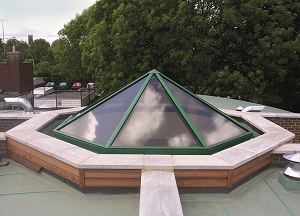
MASTER Oct Castle Bar SchoolAre you replacing a rooflight manufactured in imperial measurements? It may not be possible to find an exact metric conversion. A bespoke solution can help save costly additional modifications to the building’s design.

Or, does the style of the building necessitate an eye-catching design? Would a non-standard solution give the property the exclusivity and character sought after by the architect or homeowner?

Regulations

Continuously updating regulations mean a straightforward like-for-like replacement may no longer meet building regulations.

Other considerations

Custom solutions offer so much more choice – have you thought about the following options?

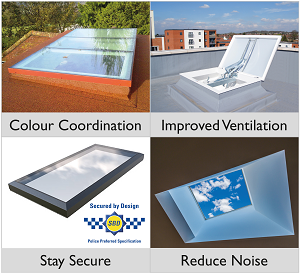
  • Image to accompany bullet pointsColour Coordination: Bespoke RAL colours match conservation area requirements, or allow for striking finishes that complement the design.
  • Upgraded Glass: Improve privacy, reduce glare, and combat solar gain with customised tints.
  • Energy Efficiency: Kerbs can be manufactured in various heights to accommodate the use of thicker insulation at roof level, improving the property’s EPC
  • Improved Ventilation: Rooflights with ventilation or smoke dispersal keep a property healthy and aerated, while adhering to building regulations.
  • Stay Secure: ‘Secured By Design’ specification units available for added peace of mind.
  • Reduce Noise: Sound reduction requirements can be met with tailored solutions.
  • Weighty Decisions: Ensure your walk-on glass is suitable for its application, whether that’s domestic, commercial, or industrial.

 Think a bespoke solution is for you?

NDC’s technical team can provide the right solution for your project and advise on industry policy and regulations, so you get it right first time and on budget.

We are open 8am – 5pm Monday to Friday; get in contact with our technical team:

Call: 01276 451555

Email: info@nationaldomes.com

Visit www.nationaldomes.com


The demand for co-working spaces is hotting up

Building Products Index Ltd Heating, Ventilation Leave a Comment

View the Jaga entry on BPindex

Visit the Jaga website

co working space 1The demand for co-working spaces is increasing. Across Central London alone, flexible workplace providers have taken over 21% of office space in 2017, while competition in the regional cities is intensifying.

In response to such growth, industry stakeholders are rapidly examining their approach to designing and specifying equipment for modern workplaces. Unlike traditional offices, co-working spaces are not always occupied by the same amount of people, or indeed fully occupied at all. As a result, demand patterns are likely to be different, as the entire premise of flexible working centres on not having a 9-5 schedule.

So, what are the key considerations when specifying heating equipment for a co-working office?

Flexible, energy efficient heating

Co-working spaces are operationally more efficient than a typical office: facilities and staff are shared between a larger number of members, keeping overheads and other costs lower. This drives the use of more intelligent, automated technology, such as sensor-activated lighting, or smart thermostats. The advantage of such measures is that they can also decrease energy usage, reducing bills as well as environmental impact.

An aspect which is often overlooked is the technology used to emit heat. Paired with an efficient heat source and controls, the right radiators can really boost a building’s green credentials.

co working space 4Low water content radiators contain a tenth of the water compared to a standard steel panel radiator, so they waste less heat and react at least three times faster to fluctuations in ambient temperature. This means that they heat up almost immediately if the temperature falls below the set level and stop emitting heat as soon as that same level is reached. BRE tests show that a switch to low water content radiators can deliver energy savings of up to 15% compared to standard steel-panel radiators.

Another innovative, yet easily deployed, radiator technology for managers to consider is fan assisted DBE (Dynamic Boost Effect), which improves airflow and boosts heat output by drawing air over the element – increasing the efficiency of the radiator and helping to quietly circulate air around the room.

Whilst the DBE unit maintains rapid, effective and accurate room comfort conditions, it can also supply a quick boost of heat if required.

Ventilation

co working space 3People who work in well-ventilated offices with below-average levels of indoor pollutants and carbon dioxide (CO2) have significantly higher cognitive functioning scores—in crucial areas such as responding to a crisis or developing strategy—than those who work in offices with typical levels.

Conventional ventilation systems are not well suited to co-working spaces with their varying occupancy rates as there is not a consistent pattern in CO2 levels. Of course, vented windows provide a form of natural ventilation, but as many offices are in heavily polluted inner-city areas, may not be the most pleasant solution.

This is where demand control ventilation comes in. These systems are fitted with intelligent sensors that detect CO2 and only begin filtering the air when levels get higher than a specified point. This is the most efficient and comfortable way of ventilating a building as energy is only used when necessary.

Jaga’s Oxygen is a demand-based ventilation system that can be integrated with Low-H2O  radiators for a hybrid heating and cooling system.

Aesthetics

co working space 2To attract co-workers into a space, the look and feel of a building is important. Glass façades are incredibly popular in modern offices as they look attractive and let in plenty of natural light. But they can be a specifier’s worst nightmare, as they are not very thermally efficient, meaning internal temperatures can become freezing in the winter and boiling in the summer. Also, they’re quite tricky to mount a traditional radiator on!

Thankfully, trench heating can help with temperature control issues in floor-to-ceiling glass environments by creating a curtain effect. Its subtle design is flush with the floor and can be customised with dozens of material options, to ensure the heating solution adds to the design rather than detracting from it.

With the popularity of co-working only set to increase, specifiers need to be aware of the technologies available to help foster an environment which is comfortable, harmonious and conducive to productivity.


 

BB101 WEBINAR: New guidelines for Heating, Ventilation and IAQ in Schools – what do you need to know?

Building Products Index Ltd Fan, Ventilation Leave a Comment

View the Jaga entry on BPi

Visit the Jaga website

The final draft of the new BB101 – Guidelines on Ventilation, Thermal Comfort and Indoor Air Quality in Schools have now been released.  This Webinar is for those involved in the design and specification of heating and ventilation solutions for teaching spaces.

Jaga 1

The eagerly anticipated update to the Building Bulletin 101 – Guidelines on Ventilation, Thermal Comfort and Indoor Air Quality in Schools is now in the final stages of review prior to publication. How do those involved in the design of school buildings and teaching spaces ensure compliance?

To help Andy Williams is Jaga’s lead Education Technical Consultant will be identifying how the new regulations differ and what design considerations must now be taken.

What you need to know:

Date: 4th May 2017

Time:  10:00 am till 11:00 am including a 15 minute Q&A session

To register CLICK HERE.

Our latest blog on IAQ may also be of interest.

Jaga 2

How can improving Indoor Air Quality (IAQ) impact school exam results? Education consultants have a responsibility to provide pupils and teachers with a healthy, safe and productive environment in which to learn and work. But this responsibility rests particularly heavily on the shoulders of secondary schools in January and June; the months where exams dominate the school calendar, and where pupils’ performance must be at their best.  Read More

BB101: New guidelines for Heating, Ventilation and IAQ in Schools – what do you need to know?

Building Products Index Ltd Fan, Ventilation Leave a Comment

View the Jaga entry on BPi

Visit the Jaga website

The final draft of the updated BB101 has been released, what is the outlook for those designing school buildings and teaching spaces.  Find out more about our webinar.

Jaga 2The eagerly anticipated update to the Building Bulletin 101 – Guidelines on Ventilation, Thermal Comfort and Indoor Air Quality in Schools is now in the final stages of review prior to publication. How do those involved in the design of school buildings and teaching spaces ensure compliance?

To help navigate the changes and standards introduced in the latest guideline publication, Jaga is hosting a 30 min webinar ‘Heating and Ventilation within teaching spaces – BB101 Update’ on the 4th May 2017 at 10am.

To register to attend please email your full name, job title and company name to marketing@jaga.co.uk.

Our latest blog on IAQ may also be of interest.

Jaga 1How can improving Indoor Air Quality (IAQ) impact school exam results?Education consultants have a responsibility to provide pupils and teachers with a healthy, safe and productive environment in which to learn and work. But this responsibility rests particularly heavily on the shoulders of secondary schools in January and June; the months where exams dominate the school calendar, and where pupils’ performance must be at their best.  Read More

UK air pollution and its impact on Indoor Air Quality (IAQ) in schools

Building Products Index Ltd Ventilation Leave a Comment

View the Jaga entry on BPi

Visit the Jaga website

Jaga image013.jpg@01D28E7E.E3B2B910

The UK – alongside Germany, France, Italy and Spain – have been issued a final warning by the European Commission for failing to address breaches of air pollution limits for nitrogen oxide. EU Member States have been repeatedly asked to implement air quality plans to safeguard public health, but the requests have fallen on deaf ears.

For many, it may seem as if air pollution isn’t a threat to the UK. After all, smoke-spewing furnaces and coal mines have wound down considerably in recent years. However, just because we can’t physically see air pollution, it doesn’t mean that it isn’t present.

In a survey of 1,670 adults, 58% believed that the current levels of air pollution in the UK are either harmful or very harmful to overall health. The issue of air pollution has been felt particularly acutely in the capital. Just one month ago, it was recorded that the air in London was far worse that in the notoriously polluted Beijing for the first time.

The issue of poor air quality mustn’t be ignored

Areas which display high levels of air pollution are located close to several London schools, which is particularly problematic as the young are more susceptible to health complications concerning air pollution. Summed up nicely by London Mayor, Sadiq Khan:

 “Every child deserves the right to breathe clean air…it is a shameful fact that more than 360 of London’s primary schools are in areas breaching legal pollution limits.”

JagaTo better safeguard pupils, schools have been advised to ban playing outdoors in some of the more serious cases, as well as introducing ‘no idling’ zones to prevent drivers leaving their engines running while waiting for children on the school run.

This polluted air, present in the UK’s major towns and cities, infiltrates buildings that house vulnerable occupants such as children in schools unless sufficient care is taken to install ventilation and air quality management systems that are able to control the volume and quality of air brought into the building. Management of Indoor Air Quality (IAQ) is an important issue, not just for health but for performance and behaviour too.

Photograph: ilikecleanair.org.uk

Causes of poor IAQ

Poor IAQ is caused when there is a build-up of pollutants inside a building due to little or no ventilation, or as a result of pollutants being directly brought in through open windows or unfiltered ventilation systems. Pollutants can arise in the school environment from various sources such as furnishings, IT equipment, bio-effluents, or from external pollutants such as nitrogen dioxide and carbon monoxide. In addition, CO₂ levels can become dangerously high just through the concentration of children in a poorly ventilated classroom.

Impacts of poor IAQ

Being inside of a school building doesn’t mean that the pupils are protected from poor air quality. It is crucial that the conditions inside are conducive to a healthy and productive environment. If poor air quality is evident in schools, it can have a wide-ranging impact.

  • Due to high levels of pollutants, the UK has the highest prevalence of asthma in the world[1].
  • Poor IAQ can lead to an increase in cardiovascular illnesses[2].
  • Lung irritation can occur, symptoms which can be exaggerated in school children as their lungs are not yet fully developed[3].
  • Proven correlation between inadequate ventilation in schools and poor pupil performance. A study by the University of Reading demonstrated that the attention span of school children is significantly slower when the level of CO2 in classrooms is high[4], which could have an adverse effect on pupil attainment


Considerations when looking at the different solutions

Naturally, the solution would be to invest in a ventilation solution which can combat the problem and provide the optimum indoor air quality (IAQ) for school pupils. However, opening a window, a form of manual natural ventilation, is not recommended. Firstly, this method does not take account of demand and therefore cannot effectively control CO2 levels, and secondly opening a window will let in polluted unfiltered outdoor air. This can make the school environment harmful to pupils and staff.

Jaga 2Mechanical Demand-Controlled Ventilation (DCV) systems provide the best solution to these problems in schools. Intelligent controls detect and predict rises in CO2 levels in a room, reacting instantly to draw fresh filtered air in whilst the stale air is extracted in a balanced way to avoid unnecessary draughts. This also avoids wasteful over-ventilation, especially in winter, thus reducing heating bills for the school.

It is critical that the quality of air surrounding school buildings is considered, and its impact on IAQ in city schools is really important. Implementing effective ventilation solutions is vital if the health of our children is to be safeguarded. Breathing in clean air shouldn’t be something which is desirable for school pupils, but as Sadiq Khan correctly said, it should be every child’s right.

[1] Howieson

[2] UCL Institute for Environmental Design and Engineering

[3] UCL Institute for Environmental Design and Engineering

[4] University of Reading

1 2