Skip to content
BPindex — The Largest Building Products Directory in the UK

Waterproof Membranes

Environmental Product Declarations in Waterproofing: Newton’s Commitment to Sustainable Construction

Building Products Index Ltd Waterproof Membranes, waterproofing Leave a Comment

View the Newton Waterproofing entry on BPindex

Visit the Newton Waterproofing website

Written by Warren Muschialli

In an era where sustainability is at the forefront of construction industry concerns, Environmental Product Declarations (EPDs) have emerged as crucial tools for architects, specifiers, and builders. These standardised documents provide transparent, verified sustainability information about the environmental impact of their products.

Specifically, EPDs outline the environmental impact of construction products throughout their life cycle, from extraction of raw materials to end of life, enabling strategic decisions that support sustainable practices.

For Newton Waterproofing, a leader in innovative waterproofing solutions, our EPDs represent a commitment to sustainable practices and a response to growing market demands for eco-friendly construction materials.

Understanding Environmental Product Declarations

Environmental Product Declarations are comprehensive background reports that detail the environmental impact of a product throughout its life cycle, including its ecological impact.

From raw material extraction to end-of-life disposal, EPDs offer a holistic view of a products ecological footprint. These declarations are based on Life Cycle Assessments (LCAs) and adhere to international standards, ensuring consistency and comparability across different products and manufacturers.

Key components of an EPD include:

  • Product description and specifications
  • Details of the manufacturing process
  • Life Cycle Assessment results
  • Resource use and emissions data
  • Potential environmental impacts

The Importance of EPDs in Sustainable Construction

EPDs play a vital role in promoting sustainable construction practices by:

  • Providing Transparency: EPDs offer verified environmental information, allowing architects and specifiers to make informed decisions about the products they choose.
  • Facilitating Comparisons: Standardised formatting enables easy comparison between similar products, helping professionals select the most suitable option.
  • Supporting Green Building Certifications: Many environmental assessment methods, such as BREEAM and LEED, recognise EPDs as a means of earning credits towards overall sustainability scores.
  • Driving Innovation: As manufacturers strive to improve their environmental performance, EPDs encourage continuous product development and innovation.
  • Meeting Market Demands: With increasing focus on sustainability, EPDs help manufacturers meet the growing demand for environmentally responsible products.

Newton Waterproofing’s EPD Journey

Newton has always been at the forefront of sustainable waterproofing solutions, and our commitment to environmental responsibility is reflected in our expanding range of EPD certificates. Our journey began with EPDs for three products, including the closed-cell Fibran XPS 500-C insulation, a key component of the Newton CDM cavity drain waterproofing system.

However, in response to the growing importance of EPDs in construction, we have recently acquired two additional EPDs for our high-performance, pre-applied external Type A waterproofing membranes:

  • HydroBond 402: A pre-applied, fully bonded sheet membrane for external waterproofing of below-ground structures.
  • HydroBond 403: A pre-applied, fully bonded and self-healing sheet membrane and radon barrier, with exceptional waterproofing capabilities.

These new EPDs demonstrate our continued commitment to transparency and environmental responsibility across our product range. Furthermore, both our Type A external HydroBond System and Type C cavity drain CDM System now possess products with full EPD certification.

Why are EPDs important for waterproofing products?

EPDs for waterproofing products are significant as they provide verified data on a product’s environmental impact. In turn, this allows specifiers to make informed decisions, selecting sustainable materials that contribute to green building certifications, and which meet increasing regulatory and market demands for eco-friendly construction solutions.

The EPD Process: From LCA to Verification

Creating an EPD involves several key steps:

  • Life Cycle Assessment (LCA): This comprehensive analysis forms the foundation of an EPD, examining the product’s environmental impact from cradle to grave.
  • Product Category Rules (PCR): These guidelines ensure that EPDs within a specific product category are consistent and comparable.
  • EPD Development: Using the LCA results and following the PCR, the EPD document is created, detailing the product’s environmental performance.
  • Third-Party Verification: An independent verifier reviews the EPD to ensure accuracy and compliance with international standards.
  • Publication: Once verified, the EPD is published and made available through EPD programme operators or the manufacturer’s channels.

Environmental Impact Indicators in EPDs

In Europe, all EPDs must conform to European standard EN 15804 EPD. This ensures that these EPDs all report on the same 25 environmental impact indicators, grouped into three categories:

  • Environmental Impact Indicators:
    • Global Warming Potential (GWP): Measures all CO2 and greenhouse gas (GHG) emissions during a products production and use.
    • Ozone Depletion Potential (ODP): Assesses the production of ozone-depleting gases (e.g. CFCs, HCFCs and halons) that cause damage to the ozone layer.
    • Acidification Potential (AP): Evaluates the product’s contribution to acidic gases such as sulphur dioxide (SO2), leading to the formation of acid rain.
    • Eutrophication Potential (EP): Measures the impact on water ecosystems due to certain levels of nitrates and/or phosphates in water.
    • Photochemical Ozone Creation Potential (POCP): Measures the release of nitrogen oxides (NOx) and volatile organic compounds (VOCs) into the low-level atmosphere, causing smog.
    • Abiotic Depletion Potential: Evaluates the use of scarce non-renewable resources, including scarce chemical elements (ADPE) and fossil fuels (ADPF)
  • The second category reports on the amount of primary energy used both within the product and during manufacturing, and whether this comes from renewable sources. The EPD also includes information on the use of recycled materials, and the amount of recovered material, fuel or energy produced at end of life.
  • The third and final category covers the output and waste from the product. This includes whether materials can be recycled, and if electrical or thermal energy is generated and supplied to the net. Hazardous and non-hazardous waste is also declared.

Without providing this standardised list of environmental indicators across all EPDs, specifiers would not be able to make direct comparisons and  informed decisions around the sustainability of their construction projects.

The Benefits of EPDs for Architects and Specifiers

For professionals in the construction industry, EPDs offer numerous advantages:

  • Informed Decision-Making: EPDs provide the data needed to select products that align with sustainability goals and project requirements.
  • Compliance with Green Building Standards: EPDs contribute to achieving credits in green building rating systems, supporting certification efforts.
  • Risk Mitigation: By choosing products with verified environmental information, architects and specifiers can reduce the risk of greenwashing claims.
  • Client Satisfaction: The use of products with EPDs demonstrates a commitment to sustainability, meeting the expectations of environmentally conscious clients.
  • Competitive Advantage: Specifying products with EPDs can set projects apart in an increasingly sustainability-focused market.

Newton’s Commitment to Sustainable Innovation

Our dedication to sustainable construction goes beyond providing EPDs. We continuously strive to innovate and improve our products’ environmental performance. This commitment is reflected in our product development, where environmental factors are considered from the outset.

Our expanding range of EPDs is just one aspect of this sustainability strategy, which includes:

By combining innovative waterproofing solutions with a strong focus on sustainability, we aim to be the preferred supplier for environmentally responsible construction projects.

The Future of Sustainable Waterproofing

Environmental Product Declarations represent a significant step forward in the construction industry’s journey towards sustainability. By providing transparent, verified information about the environmental impact of waterproofing products, EPDs enable architects, specifiers, and builders to make informed decisions that align with their sustainability goals.

Newton’s expanding range of EPD certificates, including those for Fibran XPS 500-C in our CDM cavity drain waterproofing system, and the membranes in the HydroBond external waterproofing system, demonstrates our commitment to sustainable construction practices.

As we continue to innovate and improve our products, EPDs will remain a crucial tool in communicating our environmental performance and supporting the industry’s shift towards more sustainable building practices.

Contact Newton Waterproofing today for expert guidance on selecting environmentally responsible waterproofing solutions backed by comprehensive EPDs. Our team of specialists is prepared to provide tailored advice and products that ensure the long-term success and sustainability of your construction projects.


Case study – Unicorn Packing Centre, a much needed roof refurbishment project.

Building Products Index Ltd Waterproof Membranes, waterproofing Leave a Comment

View the Soprema entry on BPindex

Visit the Soprema website

View Soprema UPC case study video

Unicorn Packing Centre (UPC), Stockport

ROOFING CONTRACTOR: Holloway Cook

Sq. M: 3,200 sq. m.

SECTOR:  Commercial

PRODUCTS: Soprema Elastocol 600 Bitumen Primer. Sopravap Stick ALU S16, Sopratherm G, Soprema Soprastick Venti FF, Sopralene Flam 250 AF

Soprema ensures the safe delivery of a much-needed roof refurbishment at a busy and prestigious packing centre in Manchester.

In the dynamic refurbishment landscape, the Unicorn Packing Centre (UPC) in Stockport, Manchester, stands as a testament to innovation, quality and transformative power of Soprema’s advanced roofing solutions.

Photo credit: Holloway Cook

Leading contracting firm, Holloway Cook, approached Soprema to design and deliver a solution which would restore and modernise this 50-year-old building, to ensure it was functional for the busy and essential contract packing facility, based in the North West.

Product Specification

The scope of works undertaken by Halloway Cook encompassed the meticulous removal of existing roof coverings, and the installation of a new roof structure.

Photo credit: Holloway Cook

The existing bitumen roof was experiencing leaks, and the fire performance rating was causing concern for the client. Central to the refurbishment was the specification and installation of Soprema’s cutting-edge and BBA-certified bituminous waterproofing membrane, renowned for its high quality, excellent resistance and superior service life.

Scope of Works

Once the existing roof system had been removed, Halloway Cook first installed Soprema’s Elastocol 600 bitumen primer to the existing structural metal deck, before Sopravap Stick S16 self-adhesive modified bitumen membrane was laid as a vapour control layer (VCL). Contractors then installed Sopratherm G Glass Tissue warm deck roof installation, prior to the Soprelene Flam 250 AF polyester-reinforced cap sheet as the top layer.

Speaking of why Soprema were specified, Dave Raw, Business Development Manager at Holloway Cook, said: “We have used Soprema products in the past and we know the exceptional quality and ease of installation of the waterproofing systems. Soprema’s products are always readily available, which means timely execution of projects.”

Photo credit: Holloway Cook

The UPC site was still occupied during refurbishment works, so downtime had to be kept to a minimum. Thanks to the ease and speed of application of Soprema’s bituminous system, the project completed within the six-month timeframe and on budget, demonstrating efficient project management and adherence to the established timeline.

Dave Raw added: “Providing that extra peace of mind for us and the end client, Soprema’s robust warranty and 25-year guarantee gave assurance for the longevity and performance of the roofing system.”

Project Challenges

As with any ambitious project, challenges inevitably surfaced. The UPC is an operational industrial site, and the team had to ensure the building remained watertight throughout the winter months; a task made all the more challenging due to the busy access routes frequently used by heavy goods vehicles (HGVs). Navigating the intricacies of a landlocked site and providing safe access to the roof presented additional hurdles. Moreover, striking a balance between the needs of factory engineers and operational efficiency required adept management.

Thanks to transparent communication and collaboration between Soprema and Holloway Cook, their experienced and knowledgeable teams were able to tackle these challenges head-on.

Continued Dave: “Soprema made these tasks easy to overcome, thanks to their insightful and supportive technical team, who were on-hand at any time, including for site visits. All operatives were trained in the Soprema waterproofing system and knew how to safely execute the project whilst maintaining installation to a high standard.”

Thanks to correct product specification, industry experience and technical expertise, the UPC roof refurbishment was delivered successfully.

The Former Magistrates’ Court – Type C Waterproofing

Building Products Index Ltd Membranes, Waterproof Membranes, waterproofing Leave a Comment

View the Delta Membranes entry on BPindex

Casestudies – Delta Membranes

Technical Drawings (Structural Waterproofing) – Delta Membranes

Structural Waterproofing Product Data Sheets – Delta Membranes

Overview

The Future High Streets Fund (FHSF) is a program initiated by the government aimed at revitalizing underperforming high streets. The Former Magistrates’ Court is set to undergo a significant transformation, becoming a vibrant centre for cultural and creative endeavours. The new design will incorporate diverse workspaces and production areas to accommodate a variety of creative industries.  The evolution of this site will not only involve the establishment of innovative working environments but also foster community interaction through entertainment events and social gatherings.


The building, steeped in 143 years of history, has stood unoccupied for the last two decades. This extensive period of vacancy has added another layer to renovation approaches.

Delta Registered Installers, Timberwise (UK) Ltd, were appointed as the Waterproofing Specialists to undertake the waterproofing design and installation of the subterranean space.

The basement, spanning a substantial 70m in length and 6.3m in width, required renovations.  The comprehensive works encompass several rooms including a Plant room, I.T room, and Music rooms, each with its unique requirements and design considerations. This project promises to enhance the utility and functionality of these spaces, benefiting the entire establishment.

The waterproofing design was specified around identifying water sources and eliminating them, along with considering the structure design, a continuous system, sequencing, and installation. It also factors in future maintenance and serviceability, all in compliance with the standards set by BS 8102:2022. This standard, known as the Protection of below ground structures against water ingress, is the code of practice that governs the waterproofing industry.

Methodology

For this project a specialist system was required to provide an efficient, compliant, and future proof approach.

Working closely with the developer, Timberwise (UK) Ltd suggested incorporating Delta’s Type C, Fire Retardant, fully maintainable Cavity Drained System.

Delta MS 500 Fire Retardant is a robust Type C, Cavity Drained Protection system, designed to withstand demanding conditions. It holds a Euroclass fire rating of B-S2, d0 (EN 13501-1:2018), an indication of its superior fire resistance.  Delta MS 500 Fire Retardant does not compromise on its strength, durability, functionality, or workability. This makes it an excellent choice for applications where both fire safety and structural integrity are paramount.

The ‘Type C’ Waterproofing System serves as a practical waterproofing solution for both new constructions and renovation projects.  It incorporates two essential elements: a Cavity Drainage Membrane and a Basement Drainage system. BS 8102:2022 (Protection of Below Ground Structures Against Water Ingress – Code of Practice) defines Type C waterproofing as a protection system.  This system manages water that penetrates the outer shell of a building, collecting the water in a cavity created between the exterior wall and an internal lining/wall.
Before the Delta Type C, Cavity Drained system was put in place, all junctions between floors and walls were meticulously attended to. In the context of building structures, ‘junctions’ refer to the points or surfaces where different elements or components intersect. In terms of waterproofing design, these junctions are often perceived as “weak points”. They necessitate thorough detailing to guarantee a robust approach and ensure the effectiveness of the waterproofing system.

The previous flooring consisted of blue bricks, which were replaced by the main contractor. The new design incorporated rebates for drainage channels and sump chambers within the freshly installed concrete floor slab. This upgrade was meticulously planned and executed to enhance the functionality of the basement drainage system.

Before the Delta MS20 floor membrane was installed, a comprehensive flood test was carried out on the basement slab to ensure its integrity and suitability for the application.  The flood testing process involves completely filling the basement slab with water and closely monitoring for any leaks or signs of water seepage.

Delta PT, was applied in the vaulted sections located directly beneath the structure. This specific installation permitted direct finishes.

Products Used

  • Delta Amphibia (lift pit)
  • Delta PT
  • Delta MS 500 Fire Retardant
  • Delta MS 20
  • Delta Drainage Channel
  • Delta Dual V3 Packaged Pumping Station
  • Delta Dual V4 Packaged Pumping Station

 Case Study Results

Adopting a future-proof strategy is a proactive way of ensuring a structures longevity.  The project was successfully completed within the set timeline and budget constraints. This showcases Timberwise (UK) Ltd’s commitment to efficiency and financial responsibility.

Discover Newton’s Waterproofing Design Partnership

Building Products Index Ltd Waterproof Membranes, waterproofing Leave a Comment

View the Newton Waterproofing entry on BPindex

Visit the Newton Waterproofing website

In the world of construction, effective collaboration is key to achieving outstanding results. Introducing the Waterproofing Design Partnership – a groundbreaking initiative that redefines how waterproofing projects are approached.

This innovative partnership brings together specifiers, suppliers, and contractors into a cohesive team, ensuring seamless integration throughout the design process, and delivers superior outcomes that minimise the risks  to the client.

By leveraging the collective expertise of all stakeholders, the Waterproofing Design Partnership sets a new standard for excellence in the industry, offering architects and specifiers a reliable solution for their waterproofing needs that is backed by professional indemnity insurance.

Working with the specifier, both Newton and our approved contractors can take full liability for the waterproofing at any design stage, acting as the designated waterproofing designer in partnership with the specifier as the principal designer.

The Structure of the Waterproofing Design Partnership

The Waterproofing Design Partnership brings together the client, the specifier, the supplier, and the contractor into a cohesive, unified team. This integrated approach ensures that every aspect of the waterproofing design is meticulously planned and executed, providing a seamless experience from start to finish.

Key Components of the Partnership

  • Client: The client’s needs are at the forefront of the design process, ensuring that the waterproofing solution is tailored to the intended use of the structure.
  • Specifier: The specifier works closely with both Newton’s in-house waterproofing designers and our specialist contractors to develop a robust and compliant waterproofing solution that is appropriate to the structure and the method of construction.
  • Supplier: Newton supplies an advanced range of waterproofing systems, including Type A, Type B and Type C systems as defined by British Standard 8102:2022, ensuring high-quality materials are used throughout the project.
  • Contractor: Newton’s nationwide network of approved contractors can also act as the waterproofing designer, taking liability under their own PI insurance, and are also responsible for the installation. They also provide insurance-backed guarantees for their work, ensuring peace of mind for the client.

Benefits of a Unified Approach

The Waterproofing Design Partnership offers numerous benefits, making it an essential consideration for architects and specifiers.

Compliance with British Standards

Newton’s Waterproofing Design Partnership ensures that your waterproofing design will meet with the stringent recommendations of British Standard 8102:2022, which is the Code of Practice for the Protection of Below Ground Structures Against Water Ingress.

One of the Standard’s primary recommendations is that a waterproofing design specialist should be consulted at the earliest stage of a project, as well as being consulted on and approving of any design amendments which may impact the waterproofing.

By employing the services of the Waterproofing Design Partnership, you are ensuring that the waterproofing design meets the British Standard’s safety and performance requirements.

Meeting Building Safety Act Requirements

The partnership also meets the stringent requirements of the Building Safety Act, which demands that, if your level of cover doesn’t extend to specialisms like waterproofing, or if you lack the requisite competence or experience, then you must appoint another suitably qualified organisation to take responsibility for this aspect of the design.

By working with Newton and our approved contractors, specifiers can ensure that their projects meet all necessary regulations, providing a secure and compliant waterproofing solution.

Professional Indemnity Insurance Coverage

One of the standout features of the Waterproofing Design Partnership is the inclusion of a waterproofing specialist as part of the design team. Both Newton and our approved contractors meet this standard and can take full liability at any design stage, acting as the designated waterproofing designer as per BS 8102:2022 and the Building Safety Act. This coverage secures the quality of the design and provides the client with a guaranteed installation, offering unparalleled peace of mind.

Ensuring Quality Design and Guaranteed Installation

Specialist Expertise

Our specialist contractors work in partnership with Newton to provide the highest quality products, design, and installation in all aspects of domestic and commercial basement waterproofing. All contractor members adhere to strict criteria and are required to demonstrate quality workmanship, resulting in a meaningful scheme that provides unsurpassed technical excellence. We always recommend that an NSBC is involved in a project where a new-build or existing structure requires waterproofing.

Newton’s team of certified waterproofing specialists also bring a wealth of knowledge and experience to every project. Their expertise in all aspects of structural waterproofing, in terms of both the design and installation, ensures that the waterproofing solution is effective and reliable.

Comprehensive Solutions

The partnership utilises Newton’s comprehensive range of waterproofing systems to deliver an integrated waterproofing solution that accounts for any project constraints, client requirements, structural considerations and regulatory compliance.

By selecting and combining appropriate systems, such as external and internal barrier systems, structurally integral waterproofing, and drained cavity systems, we ensure a comprehensive and effective waterproofing solution.

Guaranteed Installation

On design completion, Newton’s approved contractor takes the liability for the waterproofing under their own PI insurance. This ensures the quality of the installation and provides the client with a secure and reliable waterproofing solution, that will also be secured by the contractors’ own installation guarantee.

A Partnership Built on Trust

Trust is a fundamental component of the Waterproofing Design Partnership. By bringing together the client, specifier, supplier, and contractor, we are able to create and maintain a ‘golden thread’ of consistent waterproofing expertise throughout the design and installation process, as required by the Building Safety Act and ensuring the overall success of the project.

Market Leaders in Waterproofing

As market leaders in the waterproofing industry, we have a proven track record of delivering high-quality waterproofing solutions. Our commitment to excellence and innovation has earned us a reputation as a trusted partner for architects and specifiers.

Peace of Mind for Clients

The Waterproofing Design Partnership offers clients peace of mind, knowing that their project is in capable hands. From the initial design to the final installation, our team of experts and industry-leading specialist contractors ensure that every aspect of the waterproofing solution is meticulously planned and executed.

How Can Newton Waterproofing Help You?

If you are an architect or specifier looking for a reliable and innovative waterproofing solution, look no further than Newton Waterproofing. Our Waterproofing Design Partnership offers a comprehensive and compliant solution that ensures the quality and durability of your project.

Contact us today to learn more about how Newton’s Waterproofing Design Partnership can benefit your next project.


Fire Retardant Waterproofing

Building Products Index Ltd Waterproof Membranes, waterproofing Leave a Comment

View the Delta Membranes entry on BPindex

Technical Drawings – MS Fire Type C Drained Protection – Delta Membranes

Delta Fire Retardant, Type C Waterproofing – Delta Membranes

Comparison Test of Delta MS 500 Fire – Delta Membranes

Fire retardants serve a crucial role in fire safety measures, fire retardant materials possess the unique characteristic to slow down or even halt the spread of fire. This key feature makes them an essential element in fire safety management.

Typically, the concepts of water management and fire safety are not concurrently considered due to their contrasting nature and effects.  Though it may initially appear far-fetched, upon closer inspection, it is not as irrational as it may first seem.

Waterproofing refers to the technique of preventing water from penetrating a structure and controlling the flow of water and water vapor within and out of the structure.  Type C waterproofing integrates two key elements for optimal functionality: Cavity Drainage Membranes and Basement Drainage Systems. These components work in unison to ensure efficient water management in structures.

Type C Cavity Drainage Membranes tend to be crafted from High-Density Polyethylene (HDPE); a tough, durable plastic material known for its high strength-to-density ratio. This material offers excellent resistance to impact, moisture, and chemicals, ensuring long-lasting performance and reliability.  However, polyethylene possesses flammable characteristics.  It can easily catch fire under certain conditions, due to its chemical composition.  When exposed to certain conditions, plastic can undergo a transformation where it starts to melt and subsequently produce droplets. This occurrence is crucial to consider when dealing with plastic materials.

The Euro class system is an analytical tool that evaluates various fire-related characteristics. These include ignitability, the rate at which flames spread, heat emission, smoke generation, and the likelihood of producing flaming droplets or particles.  Products achieving A1 and A2 classification are defined as non-combustible under Regulations.

The Euro class system is designed to unify standards throughout the European Union. It systematically classifies products into seven distinct fire reaction classes, from A1 to F, with F being the most combustible. This classification is determined through a specific test or a combination of tests. This professional framework ensures a consistent approach to product safety standards.

The system offers an extended classification, usually linked to fire response classes D through B. This classification relates to smoke production, ranging from s1, indicating minimal or no smoke, to s3, which signifies considerable smoke. It also categorises flaming droplets or particles, from d0 representing no presence, to d2 signifying a significant amount.  This information is crucial in understanding the behaviour and potential hazards of fires.

Delta MS 500 Fire Retardant is a robust Type C, Cavity Drained Protection system, designed to withstand demanding conditions. It holds a Euroclass fire rating of B-S2, d0 (EN 13501-1:2018), an indication of its superior fire resistance.  Delta MS 500 Fire Retardant does not compromise on its strength, durability, functionality, or workability. This makes it an excellent choice for applications where both fire safety and structural integrity are paramount.

The Delta MS 500 Fire Retardant is a product that carries the BBA certification. This seal of approval signifies that this fire-retardant waterproofing system meets the rigorous standards set by the British Board of Agrément. The certification is an assurance of quality, reliability, and safety in fire retardation.

Flame retardants play a critical role in enhancing safety measures in homes or buildings. Their primary function is to delay the spread of fire, thereby providing occupants with crucial extra time to evacuate and firefighters with additional time to intervene. Moreover, they contribute significantly to preventing property damage, not only from the fire itself, but also from potential water damage arising from automated sprinklers or fire control efforts by local authorities.

Delta Registered Installer Network

The Delta MS 500 Fire Retardant system, is accessible exclusively via the Delta Registered Installer Network.  This network is a trusted source for acquiring this high-quality fire retardant.

Always Happy to Help

For all your project requirements, Delta’s Technical Team is a dependable resource. Offering expert advice, comprehensive support, and timely practical assistance, we cater to your specific needs. Reach us at 01992 523 523 or drop us an email at info@deltamembranes.com.

Building Safety Act: Are You Specifying Compliant Waterproofing Solutions?

Building Products Index Ltd Waterproof Membranes, waterproofing Leave a Comment

View the Newton Waterproofing entry on BPindex

Visit the Newton Waterproofing website

Written by Warren Muschialli

The introduction of the Building Safety Act (BSA) in England, arguably the most important regulatory change in construction since the 1980s, has significantly impacted the industry.

The new requirements of the Building Safety Act have implications for all buildings, and do not just apply to higher-risk, high-rise buildings. This includes the requirement for keeping up-to-date information about how a building has been designed, built, and managed – a ‘Golden Thread of Information’ that is stored digitally for the entire life of the building.

The BSA also creates a new Building Safety Regulator (BSR), responsible for:

  • Overseeing the safety and performance systems of all buildings (not just high-rise structures).
  • Monitoring the performance of the building control sector, to ensure standards are met.
  • Setting building standards.
  • Regulating construction products for the UK.

Furthermore, specifiers, including architects, now face new responsibilities and potential liabilities regarding the performance of the building materials that they specify.

This shift necessitates a more meticulous approach to product selection, particularly when it comes to waterproofing solutions. Here’s how the Building Safety Act impacts your role as a specifier and how Newton Waterproofing can empower you to meet the Act’s stringent requirements.

New Obligations and the Importance of Compliant Waterproofing

The BSA introduces a new regulatory framework emphasising building performance. A key aspect of this framework is the concept of dutyholders, each with specific obligations throughout a building’s lifecycle.

The new dutyholder roles apply to those involved in procuring, planning, designing, managing, and undertaking building work, and are relevant to all building work covered by the 2010 Building Regulations – not just higher-risk buildings.

Specifiers are now most likely to be appointed as the ‘principal designer’ dutyholder under the Act, endowing them with responsibility for ensuring the building materials they specify comply with relevant regulations. They are also required to ensure they have competence (the necessary skills, knowledge, experience and behaviour) to carry out the design and building work they are engaged to do.

However, if a specifier thinks they may not have the required competence, or the design is outside the scope of their PI cover, they should ensure another organisation with the necessary competence is appointed as a designer to perform the role.

These requirements for competence, compliance and liability must therefore be considered when designing waterproofing solutions. Non-compliant waterproofing systems can pose significant risks, not just in terms of water ingress but also potentially impacting the future health and safety of the occupants of a below-ground area of a building.

Therefore, specifying compliant waterproofing solutions is not just about optimal building performance; it’s about mitigating potential future risk for building occupants, managing liability, and ensuring conformity with all requirements laid out under the Act.

Achieving Specifier Confidence: Newton Waterproofing’s Commitment to Building Safety Act Compliance

We understand the challenges specifiers face in the post-BSA landscape. That’s why we offer a comprehensive range of accredited waterproofing solutions that fully comply with the Act’s requirements.

Our commitment to assisting specifiers with their Building Safety Act compliance is reflected in several key aspects:

Rigorous Product Testing: All our waterproofing products undergo rigorous testing by independent laboratories, ensuring they meet the performance standards outlined in the Act and relevant British Standards.

Third Party Verification: Our products hold all necessary certifications, providing specifiers with the confidence that they are selecting solutions that demonstrably meet the Act’s requirements.

Expert Support: Our team of waterproofing specialists is here to guide you through the product selection process. We can provide detailed information on the performance characteristics and compliance certifications of our waterproofing systems.

Professional Indemnity Cover: Both the Newton approved contractor network and the Newton design team hold the necessary PI cover, as well as the necessary skills, knowledge, experience and qualifications to provide competent and compliant waterproofing designs.

Whether you are specifying our products or appointing Newton and our approved contractors as a competent designer, you can gain peace of mind knowing you are meeting the Building Safety Act’s stringent requirements. This not only mitigates potential liabilities but also contributes to the overall safety and performance of the buildings you specify.

Navigate the Building Safety Act with Confidence with Newton Waterproofing

The Building Safety Act represents a significant change for the construction industry. However, by working with a trusted supplier like Newton Waterproofing, you can navigate these changes with confidence.

We offer a complete range of compliant waterproofing solutions backed by rigorous testing and certifications. Our team of experts is also here to support you in selecting the most suitable waterproofing system for your project requirements.

Contact Newton Waterproofing today to discuss your next project and ensure you are specifying Building Safety Act compliant waterproofing solutions.


Soprema’s Sopratorch Range Takes Roofing to New Heights

Building Products Index Ltd Roofing, Waterproof Membranes, waterproofing Leave a Comment

View the Soprema entry on BPindex

Visit the Soprema website

In the ever-evolving world of construction and roofing materials, Soprema’s Sopratorch range continues to stand out as a beacon of quality and safety. This versatile range is expertly designed for applications in houses, extensions, flats, garages, carports and balconies setting a new standard for safety and performance.

Though not new to the market, it has proven itself to be a reliable and durable product in the realm of waterproofing solutions. The Sopratorch range offers a comprehensive selection of roofing materials, catering to various architectural styles and project requirements. Its durability and weather resistance makes it an attractive option for both new construction projects and roof replacements.

The range features SL490, SL500 and SL600 and offers more than just longevity. With up to 25-year life expectancy, these products provide a durable and dependable solution for a variety of flat roofing needs. Soprema reinforces their confidence in the range by providing a standard 10–20-year warranty, ensuring peace of mind for customers.

As the construction industry continues to evolve, Soprema’s Sopratorch range remains at the forefront, seamlessly blending decades of expertise with cutting-edge technology. Choosing Sopratorch ensures a roofing solution that goes beyond expectations, offering a secure investment in safety and longevity.

For more information on the Sopratorch range, visit SBS CAP SHEETS – Soprema United Kingdom or email the team today at technical@soprema.co.uk

The Leading Experts in High-Profile Listed and Historic Building Waterproofing Projects

Building Products Index Ltd Waterproof Membranes, waterproofing Leave a Comment

View the Newton Waterproofing entry on BPindex

Visit the Newton Waterproofing website

Listed and Historic Building Waterproofing Project Video

Written by Warren Muschialli

When it comes to high-profile waterproofing projects, Newton Waterproofing is the name that stands out. With our extensive range of products as well as our history and expertise, we have become the go-to company for waterproofing solutions in both commercial and domestic properties across the UK.

Whether it’s a new-build project or an existing structure, we have the perfect solution to tackle any size of project, with the ability and know-how to meet the complexity of listed building requirements making us the ideal choice for preserving historical structures while providing effective waterproofing solutions.

We can provide waterproofing systems and solutions that are ideally suited for meeting listed building requirements and have been used to treat properties such as the British Museum, the Royal Courts of Justice, and the Houses of Parliament.

Fire Resistant Tunnel Waterproofing at the British Museum

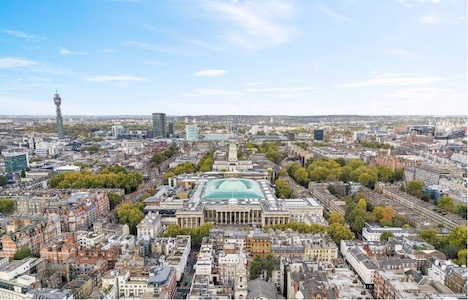
Earlier this year we worked on a project to address water ingress in the tunnels beneath the Grade 1 listed King Edward VII Galleries, part of the British Museum complex in London.

The water ingress was causing concern about the quality of air supplied to the gallery, so Newton collaborated with Arti Structural Waterproofing and Oldroyd to develop a unique membrane system that would protect against both water ingress and fire. This allowed the tunnels to be reinstated as the primary air supply to the galleries, with the team proposing a system that met all requirements for waterproofing and fireproofing a Grade 1 listed building.

The solution involved cleaning and repairing the tunnel walls and floors before installing the flexible, cement-based HydroCoat 107 Elastic 2K as a primary Type A barrier, sealing any existing leaks where a Type C system was not feasible. Following this, the unique Oldroyd Xtf membrane provided a full Type C cavity drain membrane system to the walls and floors – cavity drain membrane systems are widely accepted in listed structures due to their maintainability and reversibility.

The Oldroyd Xtf membrane used in this project is exclusive to Newton and produced by specialist manufacturer Oldroyd in Norway using environmentally friendly raw materials. It is also tested according to the EN 13501-1:2007+A1:2009 standard for fire classification of construction products and building elements, achieving a B-s2.d0 fire rating.

Additionally, CDM 520 eco Floor was used beneath the floor build-up, providing maximum drainage capacity to the pumping system for any ingressing water.

The project faced challenges such as high humidity levels and the prospect of fitting fire-rated membranes in extremely constrained spaces, all while ensuring effective installation around existing services which could not be removed.

Despite these challenges, Newton and Arti completed the project successfully over ten weeks, delivering a waterproof, fireproof, and maintainable solution. The client now has a system that meets their requirements and will be regularly serviced by Arti Structural Waterproofing.

Waterproofing the Royal Courts of Justice

Newton Specialist Basement Contractor Stonehouse were tasked with waterproofing the Judges’ Robe Rooms in the below-ground vaults at the Grade 1 listed Royal Courts of Justice to create a Grade 3 habitable space. This project followed their successful waterproofing of the vaulted bird beak Victorian arches in the same building.

To waterproof the intricate vaulted areas, Stonehouse installed a full Type C waterproofing system utilising Newton CDM 508 Mesh membrane, which required careful detailing and expertise to ensure proper installation. The membrane was carefully lapped, sealed and fixed using different specialist plugs depending on whether the membrane was applied to the vault spring and above, or on the vertical plane.

The Newton CDM System is our Type C water management system that captures and diverts any water ingress down to the BaseDrain drainage channels for safe removal away from the property. For this project, a direct plaster finish was applied onto the meshed membrane for a high-quality finish in keeping with the structure’s listed status.

The result of Stonehouse’s installation was the creation of a Grade 3, completely dry and habitable internal environment, ensuring that it would be suitable for its intended purpose.

The installation also conformed to Listed Building requirements by designing a maintainable and reversible system that also retained the building’s unique design characteristics.

Waterproofing the Houses of Parliament

Newton Waterproofing was chosen to provide a waterproofing solution for the Houses of Parliament in London. The project required both external and internal waterproofing systems, as well as a polyurea roofing system.

Our self-healing HydroBond 403 Plus membrane was used externally to provide a waterproof barrier around the new-build basement extension to the iconic Grade 1 listed London landmark. Internally, our CDM 508 and CDM 520 membranes were applied from floor to ceiling as part of the Newton CDM System for providing a full cavity drainage solution.

The finished structure also received a polyurea coating and additional drainage membrane on the roof deck of the basement.

The result is a fully compliant and guaranteed waterproof basement that provides durable protection against water ingress through the combination of multiple types of waterproofing.

The Leading Experts in Waterproofing Solutions

The Newton team has proven time and again that we are the leading experts in waterproofing solutions for high-profile projects.
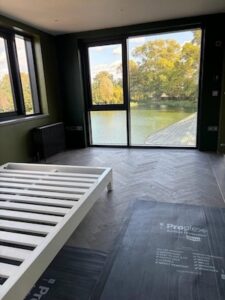
Our extensive range of products and expertise make us the go-to company for both commercial and domestic properties across the UK, and with our ability to meet the complexity of listed building requirements, we have successfully preserved historical structures while providing effective waterproofing solutions.

How Can Newton Waterproofing Help You?

We are dedicated to providing high-quality waterproofing services throughout the UK, and our team of experienced professionals and specialist contractors have the expertise to tackle even the most challenging projects. We adhere to industry standards and use proven methods, ensuring long-lasting results and peace of mind, so contact us today to get started.
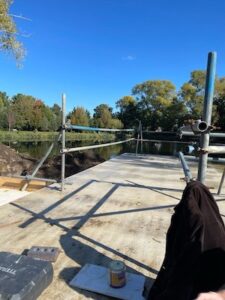
 

Waterproofing solution to a Basement close to a lake

Building Products Index Ltd Waterproof Membranes, waterproofing Leave a Comment

View the Delta Membranes entry on BPindex

Delta Membranes – Casestudies

Cavity Drained Protection (Type C Waterproofing)


Overview

Imagine waking up to the tranquil sound of rippling water and stepping outside to a stunning view of nature and wildlife.

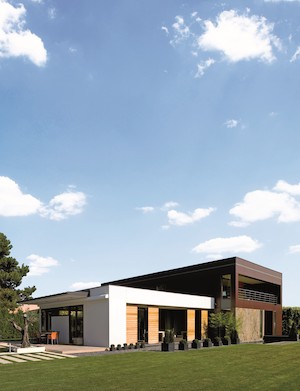
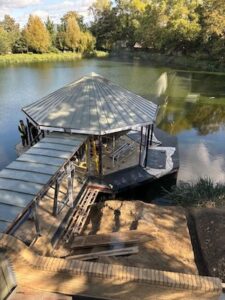
The scope of the project was to provide a waterproofing solution to a luxurious lake side home.  The new build property will sit within close vicinity of a 400 ft lake.

The developer, a successful London property developer, approached Delta to undertake the waterproofing design.  The developer, having previously had a prosperous relationship with Delta, once again sought Delta’s expertise in this project success.

The property itself being new build, was constructed from a Type B, waterproof reinforced concrete to provide a first form of waterproofing protection, with both Type C, and Type A, waterproofing solutions being incorporated to the structure to provide two forms of protection.

It is essential for the success of any project involving below ground structures that strategies for dealing with all external sources of groundwater, surface/flood water are considered from the very earliest stages of the planning and design process.  Particularly when a structure is sited within metres of a body of water.

When it comes to residential, commercial or any structure below ground, waterproofing is a critical component within the construction process for protecting and preserving a building.

Methodology

Applying all principles of waterproofing design (BS 8102:2022 Protection of below ground structures against water ingress. Code of Practice.), this project required a strategic, deliverable, approach.  Following site inspections and desk top studies, consideration was given to the need for combined protection, the need for continuity in the solution, the form and feasibility of repair of the systems, the weather/environment effect on systems, and the durability of the systems and performance over time.

With no one-size-fits-all when it comes to waterproofing design.  The property would sit in a high-water table, with de-watering required throughout the excavation process to temporarily lower groundwater levels, to allow stable conditions below the natural groundwater level.

The basement once constructed will sit 2 metres below the water level of the lake.  With sump pumps being installed at an even lower level (approximately 4m below the surface of the lake).

Prior to the installation of the Type C system, coved fillets were created at critical floor/wall junctions. Koster Polysil TG 500 was used to prevent the leaching of free lime in the new concrete.  Koster Polysil TG 500 if often used in combination with Delta cavity drainage membranes and basement drainage systems.

Delta MS 500 was securely fixed to the internal walls using Delta’s specialist fixing plugs, with Delta MS20 installed to floors.

Below the floor membrane perimeter drainage channels were sited within the rebates allowing for suitable drainage of any future water ingress and this being diverted to suitable discharge point (on this occasion a mechanical pump system).

Part of this ‘controlled system’ is basement drainage.  Any water ingress which penetrates the basement, is directed into perimeter drainage channels which this then efficiently disperse to a sump pump station.  Once collected in the sump pump chamber, the water is then pumped to a suitable evacuation point.

The need to service and maintain the drainage elements of type C waterproofing systems is paramount to long-term success.  Inspection ports were included in the perimeter channel with a groundwater sump pump located to give easy access for periodic servicing.

A Foul water pump station was incorporated into the design, to discharge foul water from the basement’s bathroom facilities.

After the Type C System was installed the all-important integrity testing was undertaken to exercise the waterproofing system in worst case scenario.

Working in partnership with the developer, Delta designed a bespoke Type A waterproofing approach to the light-well of the property.  Light wells being open element of the structure will require a suitable waterproofing approach.  Basement light-wells are earth retaining and are subject to lateral penetration from groundwater.  Lateral penetration is a caused when the external ground level is higher than the building, so water and moisture is able to penetrate the walls.  Light-wells can also be affected by rainwater, with heavy rain, light-wells can fill up, with the potential for water to cascade into the basement.  By waterproofing the envelope of the structure, this avoids potential risk.  Incorporating Koster NB 1 to the light-well was a simple solution.  Koster NB 1 with its ability to cope with both negative and positive pressure ensured that the accommodation areas would be kept dry, while the surface water pump station would manage any excess rainwater, to ensure the area is permanently protected and kept dry.

Incorporating a sump pump system for managing external surface water from light-wells is a great cost-effective solution.

Products Used

  • Delta MS 500
  • Delta MS 20
  • Koster NB 1 Grey
  • Koster SB Bonding
  • Koster Repair Mortar
  • Koster Polysil TG 500

Case Study Results

This unique project required a complex waterproofing design.  A key element to the success of this project has been the partnership between manufacturer/waterproofing designer and developer.  The developer has embraced Delta’s technical approach to fully understand Delta’s design principles, products, and compliance with specific standards for quality, reliability, and performance.

We wish the developer and his family lots of love and happiness in their new home.

Delta Amphibia, Reactive Core Liner

Building Products Index Ltd Waterproof Membranes Leave a Comment

View the Delta Membranes entry on BPindex

Introduction to Delta Amphibia

Delta Amphibia product page

BBA Certificates

Delta Amphibia is a unique Self-Healing/Repairing, Self-Sealing, fully bonded Type A waterproofing membrane, utilising its advanced Reactive Core technology, Delta Amphibia will not only Self-Repair in the event of accidental puncture and Self-Heal, but will also Self-Seal.

Delta Amphibia is a pre- and post-applied waterproofing membrane which can be installed horizontally and vertically in a Type A waterproofing application.

The unique properties of Delta Amphibia are achieved through four active layers – a watertight barrier, Reactive Core which allows Delta Amphibia to Self-Seal and Self-Heal in the event of accidental damage, an active barrier with the ability to Self-Seal at overlaps resisting lateral movement of water and a strong bonding layer.

Pre-applied bonded membranes are used to waterproof concrete in basements and below ground structures on the positive side (outside). They are installed before the reinforcement underneath a base slab and vertically on a soil retention system, or in a formwork.

The unique Self-Repairing function of Delta Amphibia protects structures from water and moisture permeability in the event of accidental puncture.  Delta Amphibia’s unique Self-Repairing function is activated in the event of Delta Amphibia being damaged.

Delta Amphibia’s Active Core offers continuous protection at overlaps.  Delta Amphibia has excellent crack-bridging capabilities at places where cracks may occur. When pre-applied (before the concrete pour), the wet concrete is absorbed into Delta Amphibia’s fleece Bond Layer, integrally bonding Delta Amphibia to concrete.

Benefits of Delta Amphibia

  • Active protection for watertight waterproofing
    • Self-Repairing
    • Self-Sealing
    • Self-Healing
    • Self-Fastening
  • Vertical or Horizontal application
  • Absolute impermeability with no side seepage of water
  • Immediate mechanical protection, self-repairing also on accidental puncture
  • High resistance to hydraulic load
  • High flexibility and capacity to bridge cracks
  • Full mechanical bond to concrete
  • Extremely flexible – Resistant to movement and fissures in substrates

Delta Amphibia satisfies all grades of waterproofing in accordance with BS 8102:2022, Table 2 as Type A, Barrier Protection System in accordance with section 8, Type A (Barrier) Protection – Sub Section 8.2.4, Active Core Liners and Table 3, Waterproofing Barriers.

Delta Membrane Systems Limited is a manufacturer and provider of specialist structural waterproofing solutions, covering Type A, Type B, and Type C waterproofing, combination waterproofing, damp proofing, basement drainage, flood resilience and ground gas protection.

Whatever the needs of your project, you can rely on Delta’s Technical Team to ensure you get the right advice, support, and practical help at exactly the right time its required.  Call us today on 01992 523 523 or email info@deltamembranes.com.


1 2 3 4 5