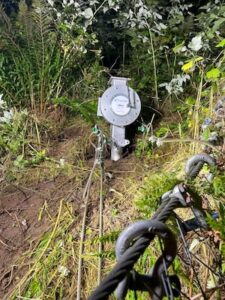
How Clark-Drain’s Modular Access Chambers are meeting the evolving demands of UK infrastructure

Building Products Index Ltd Access Chambers Leave a Comment

View the Clark-Drain entry on BPindex

Visit the Clark-Drain website

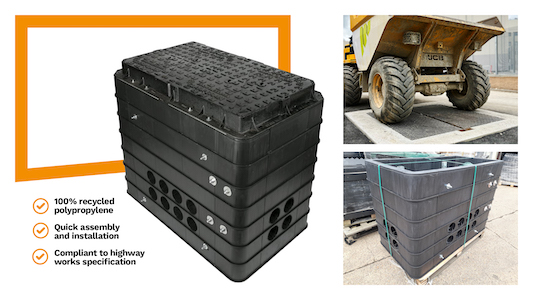
Clark-Drain has expanded its portfolio of British-made access and drainage products with a modular, heavy-duty chamber range designed to meet the increasing performance demands of modern infrastructure projects. The chambers – manufactured in the East of England from recycled polypropylene – combine bespoke construction with high load-bearing strength, rapid installation, and compliance with stringent defence, civils and utilities specifications.
Modular by design, engineered for specification

Developed from decades of customer insight and application expertise, Clark-Drain’s chamber range is built to suit the exact requirements of each project. The system can be configured to multiple sizes and assembled to meet sector-specific standards, including Ministry of Defence JSP604, Ministry of Justice specifications, and a wide range of civils infrastructure criteria.
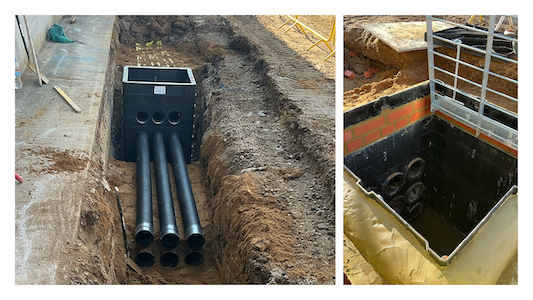
The chambers support an equally wide variety of applications: defence and secure data cabling, fibre and broadband networks, water utility assets such as pumps and valves, motorway communications infrastructure, traffic signalling, street lighting, and dockyard installations.

To accommodate this breadth of use, the units can be supplied with a choice of pre-determined duct entry patterns – including plain-sided options for bespoke drilling – as well as flat panel formats, multiple clear opening sizes, and Mandrel test-friendly bellmouths where required.

Complete systems delivered ready for installation

One of the most significant efficiencies comes from Clark-Drain’s decision to supply the chambers as fully assembled systems, aligning with the Government’s Construction Playbook. By removing the need to source and assemble components on site, contractors can avoid common delays, reduce labour requirements, and minimise hidden or unexpected costs.
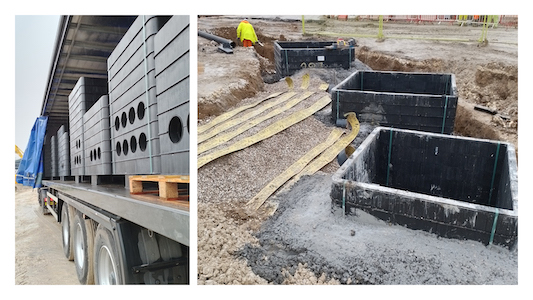
Each unit can be supplied complete with sump, grill and anchor plate, with optional cable furniture and bolt-on steps. This approach means systems arrive ready to be

installed immediately—moving from delivery to in-ground faster than traditional multi-supplier arrangements.

British manufacturing, proven strength

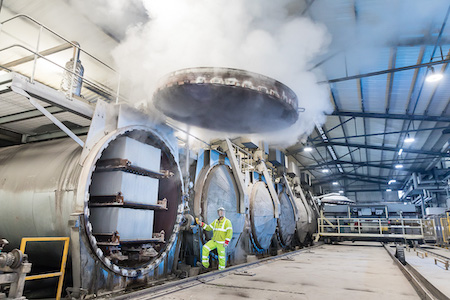
Clark-Drain proudly manufactures 88% of its product range in the UK, with these chambers carrying the official Made in Britain mark. Produced using recycled polypropylene that can be recycled again at end of life, the units offer a sustainable alternative to heavier traditional materials.

Despite their lighter weight, the chambers deliver exceptional performance. The lattice-structured polypropylene shells provide strength sufficient to withstand up to E600 wheel loads, making them suitable for heavy-duty and high-traffic environments. Security covers and padlock options further safeguard against unauthorised access.

Sustainable, portable and built for the future

The choice of recycled polypropylene not only reduces environmental impact but also provides practical benefits. The material is lighter and easier to transport, reducing installation effort and overall project costs while contributing to carbon-saving efforts across the construction sector.

From manufacture through disposal, the chamber system reflects an end-to-end sustainable approach, complementing the growing environmental ambitions of clients and contractors alike.

A versatile heavy-duty solution for modern networks

Clark-Drain’s modular access chamber range offers a combination rarely found in a single system: heavy-duty performance, bespoke configuration, rapid installation, and sustainability. Whether used for fibre networks, utilities, defence infrastructure or highways applications, the chambers provide a cost-effective, future-ready solution designed around the needs of the project.

For more information, visit: www.clark-drain.com/search?q=d400
For technical advice on the full Clark-Drain range, call 01733 765317 or email sales@clark-drain.com
Wavin’s HepvO Self Sealing Waste Valve

Building Products Index Ltd Pipes, Plastic piping, push fit fittings Leave a Comment

View the Wavin Group entry on BPindex

View the OSMA entry on BPindex

Visit the Wavin website

For decades, conventional water traps (P-traps and U-bends) have been the standard way to prevent foul sewer gases from entering living spaces. However, they come with a set of inherent problems – over time the water seal can evaporate, siphon off, leak or be displaced by movement, which compromises the seal and allows unpleasant odours back into the building.

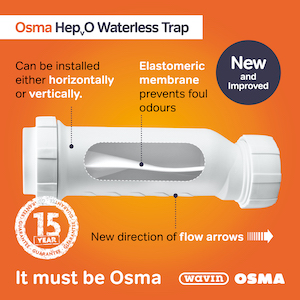
That’s where HepvO comes in. Rather than relying on standing water to create the seal, the HepvO Self Sealing Waste Valves uses a dry-seal, self-sealing elastomeric membrane to block sewer gases.

How HepvO Works:

  • When wastewater flows through – water pressure pushes the membrane open, allowing the waste to discharge
  • Once the flow stops and pressure returns to normal, the membrane automatically closes again, forming an airtight seal between the drainage system and living space
  • Because there’s no stagnant water sitting in a trap, there’s no risk of evaporation, siphonage or displacement, so the seal remains reliable over long periods

Key Benefits for Installers and End-Users

Reliable odour protection and hygiene

Since the valve doesn’t depend on water, it cannot dry out or lose its seal. It permenately prevents sewer gases, which can carry harmful bacteria/viruses, from re-entering the property. Because there’s no water to stagnate, there’s less chance of bacterial growth or foul smells associated with standard traps.

Flexible and space-saving installation

He HepvO’s valve’s in-line design and compact form factor makes it ideal for tight or awkward spaces. It can be installed vertically or horizontally depending on the orientation.

Versatility – not just for basins and sinks  

HepvO isn’t limited to traditional sanitary fixtures. It’s also suitable for condensate drainage from boilers, air-conditioning units, or other household systems – where the flow might be intermittent or minimal.

The HepvO’s Self Sealing Waste Valve represents a significant evolution in plumbing design. By replacing the traditional water trap with a self-sealing membrane, HepvO removes many of the limitations of conventional traps – no more worries about drying out, siphonage, leaks or displacement.

Given the growing importance of hygiene, ventilation, and space saving solutions in modern building design – especially in apartments, retrofit bathrooms, and compact living – HepvO offers a compelling alternative to age-old traps.

For more information visit – Wavin Osma HepᵥO Self Sealing Waste Valve – System Features

Blue Roofs – Integration with biosolar, hard landscaping, green roofs

Building Products Index Ltd Building Drainage, Drainage, Green Roofing Leave a Comment

View the ACO entry on BPindex

Visit the ACO website

Off-membrane blue roof systems are being recognised as a vital part of the UK’s sustainable future, but what does true integration mean for designers, specifiers and contractors❓

With ACO’s method, off-membrane storage integration means modular tanks positioned above the roof build-up keep rainwater storage separate from the waterproofing layer, protecting the membrane while enabling controlled irrigation, hard landscaping and biosolar interfaces 💧

Keeping the storage away from the waterproof layer stops the repeated wetting and drying that concentrates moisture at joints and roof openings. Reducing that strain on the waterproofing helps preserve manufacturer warranties and avoids the extensive work a membrane replacement would otherwise require on multi-use roofs 👷

For inverted and hard-landscaped roofs, keeping stored water off the insulation also removes the need for heavy ballast and the risk of insulation lifting 👍

Passive irrigation using wicking mats connected to the stored water delivers moisture to planting soil and planters in paved areas without surface ponding or mechanical sprinklers. The result is reliable plant establishment, biosolar edge planting and lower energy and maintenance needs — crucial where access and solar-panel maintenance corridors must be kept clear 🌞

Early, joined-up design is essential: consider tank locations, wicking layout and outlet positions during concept stages to meet the London Plan Urban Greening Factor and avoid late-stage structural clashes. ACO’s method works with wicking networks and PV layouts, offers simpler installation than ballast systems, and delivers predictable weights on the roof, making multifunctional roofscapes coherent, maintainable and compliant ✅

Explore blue roofs in greater detail with our free guide, available here ⬇️

https://www.aco.co.uk/blue-green-roofs

The Glasdon Range of Shelters: Durable, Low Maintenance Solutions

Building Products Index Ltd shelters Leave a Comment

View the Glasdon entry on BPindex

Visit the Glasdon website

From external smoking & waiting shelters, to corral cycle compounds or multi-purpose canopies, the Glasdon selection of prefab shelters provides a solution for almost any application.

Aero™ Cycle Shelter Range

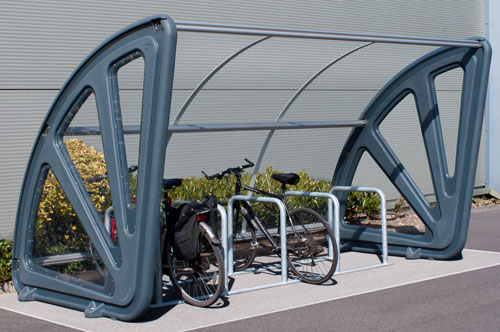
Aero Cycle Shelters provide a sheltered and contemporary storage space for bicycles and scooters, allowing cyclists to store their equipment in a safe, designated spot. Not only does this prevent damage to bicycles from bad weather, but it also boosts participation in active travel by offering purpose-built cycling infrastructure.

The shelter’s curved design means rain and snow slide off the roof easily, while its strong, corrosion-resistant aluminium roof skeleton makes it extremely durable, able to withstand harsh weather conditions. Toughened PETG glazing keeps bikes visible for security purposes and is strong enough to withstand bangs, knocks and significant abuse.

Available as either a standalone cycle shelter (with storage capacity for 10 bicycles) or a corral cycle compound (with storage capacity for 20 bicycles), Aero cycle shelters are well suited for schools, workplaces, public buildings, transport hubs, and apartment blocks.

Heritage & Carleton™ Shelters

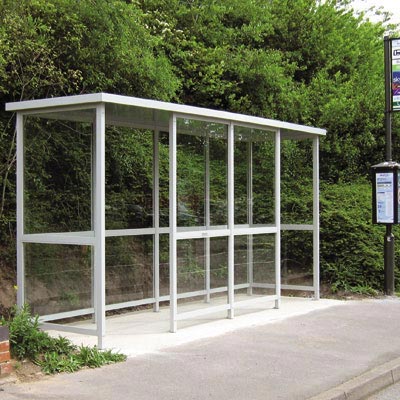
Ideal for sheltered waiting areas such as bus stops and break areas, smoking/vaping shelters, or pay-and-display shelters, our range of all-weather shelters are low maintenance and aesthetically pleasing.

The Heritage shelter is specially designed to coordinate with traditional street furniture and blend in perfectly with townships, suburbs, and city streets. Manufactured from low maintenance materials and available in 7 standard layouts, Heritage provides a traditional appeal to suit any location.

The Carleton Shelter is ideal for urban centres, airports, and major transport hubs, with a modern, streamlined design for high-traffic environments. Its transparent wall panels can be specified in toughened glass, thermoplastic glazing, or blank GRP, allowing for a tailored approach to each site. With 9 standard layouts (up to 3 bays in length), and a flat roof for sites with restricted access, Carleton Shelters can be configured to fit a variety of spaces and applications.

Modus™ Shelter Range  

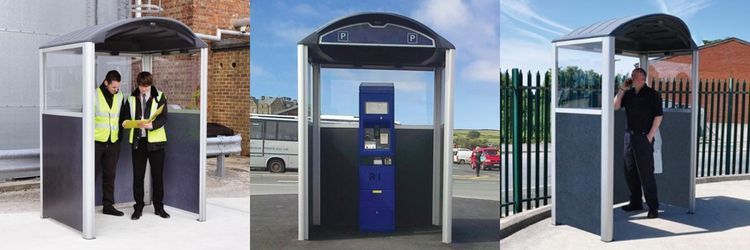
Modus Multi-Purpose Shelters offer a cost-effective shelter solution that is ideal for use as a small safety point or covering for personnel or equipment.

Available in two sizes (Modus 770 and Modus 1280 models), these shelters create a small, highly visible alcove that is suited for a variety of functions, such as creating a fire safety or first aid point, or placing a pay and display facility inside.

The double-skinned roof and environmentally friendly Ecoboard™ panels on three sides are produced using 100% recycled post-consumer waste (mixed plastics). The low-maintenance frame extrusion and spigot legs contain a mix of aluminium and steel.

Delivered fully assembled as standard, the Modus shelter offers an excellent solution for when cost and time are factors on site.

Curious about our range of shelters? Visit our website to discover our full range.

Safe, compliant roof access is non-negotiable in modern building design.

Building Products Index Ltd Access Hatches, Rooflights Leave a Comment

View the National Domelight Company entry on BPindex

Visit the Rooflights and Skylights website

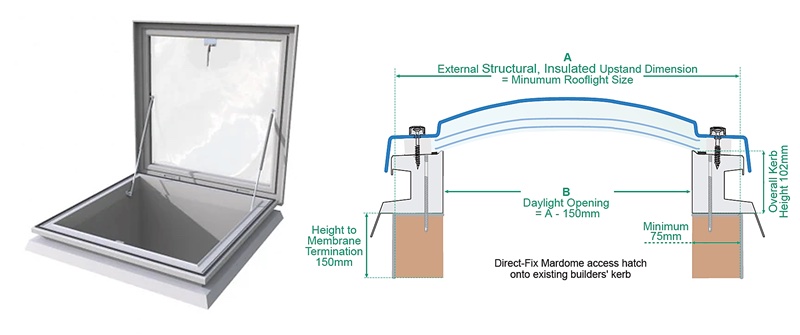
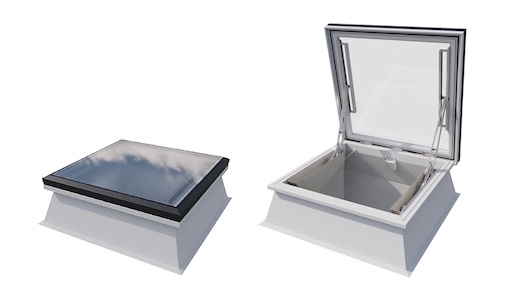
Whether for maintaining solar panels, servicing rooftop building services plant, or providing access to roof terraces and gardens, every project must ensure that occupants and maintenance teams can reach the roof safely and with ease. Access hatches deliver a permanent, compliant, and secure means of access from within the building – eliminating the risks and inconvenience of external ladders or scaffolding.

And while primarily a safety-critical feature, the right roof access solution can also enhance a building’s appearance. With modern flat glass and dome designs available, today’s systems combine robust performance with clean, contemporary aesthetics, ensuring safety never compromises style.

Rooflights & Skylights supply a comprehensive range of roof access hatches from leading UK manufacturers, helping specifiers match the right product to every application – from residential maintenance to high-traffic commercial use.

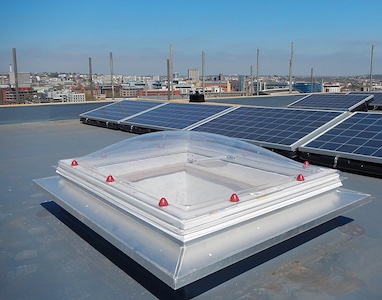
For occasional residential access, the Coxdome Trade Range Rooftop Access Rooflight provides a practical and economical solution for routine maintenance.

For more frequent access, such as entry to roof terraces and roof gardens or retrofit installations, options include:

For commercial applications, the Thermadome Commercial Access Hatch offers a durable aluminium construction and high-performance insulation – ideal for plant maintenance and service access.

Visit the Rooflights and Skylights website available from Rooflights & Skylights – your trusted partner for daylighting and roof access solutions.

H+H celebrates British manufacturing and the value of local supply

Building Products Index Ltd Blocks, Concrete Leave a Comment

View the H+H entry on BPindex

Visit the H+H website

H+H has always backed British manufacturing – and for housebuilders, the reasons are more practical than patriotic.

With over 75 years of investment in UK manufacturing, H+H has long believed in the value of building locally. Now, as a proud member of Made in Britain, the company is celebrating that commitment – and highlighting why British-made materials make business sense for housebuilders.

In recent years, the vulnerability of international supply chains has been exposed. Global events – from the pandemic to political instability – have shown how quickly overseas logistics can falter, affecting availability, quality and cost certainty. For a sector that depends on reliable delivery and consistent standards, short supply chains are not just a preference but a necessity.

Fewer surprises
When products are manufactured close to site, there’s less risk of disruption. Shorter supply chains mean fewer links in the chain – and fewer opportunities for delay. Local manufacturing brings peace of mind that materials will arrive when needed, supporting smoother build programmes.

Closer communication
Working with UK suppliers allows housebuilders to build stronger relationships with their partners. At H+H, direct communication with customers means any issues can be resolved quickly and transparently, ensuring every project runs more efficiently.

Greater agility
Construction schedules are rarely linear. Weather, demand and regulatory changes can all affect build rates. With factories based in the UK, H+H can respond faster to fluctuating site needs – something international suppliers simply can’t match.

Supporting local skills
Choosing UK-made materials helps sustain employment and apprenticeships within the construction industry. Through initiatives like H+H’s apprenticeship training scheme, the company is investing in the next generation of skilled workers, ensuring the knowledge and experience that underpin quality British manufacturing continues to thrive.

Trading with confidence
The UK’s manufacturing standards are among the most rigorous in the world – from quality control to health, safety and financial regulation. Housebuilders working with local manufacturers can be confident that products meet stringent performance and compliance requirements.

For H+H, joining Made in Britain is more than a badge of honour. It’s a recognition of the resilience, transparency and trust that come from producing high-quality building materials right here at home.

When housebuilders choose products made in the UK – like Celcon Blocks, manufactured at H+H’s plants across the country – they’re not just reducing risk. They’re supporting a supply chain that’s built to last.

To find out more about H+H visit: Visit the H+H website

Nursery and Pre-School in Oxfordshire

Building Products Index Ltd Stainless Steel, Stainless Steel Worktops Leave a Comment

View the GEC Anderson entry on BPindex

Visit the GEC Anderson website

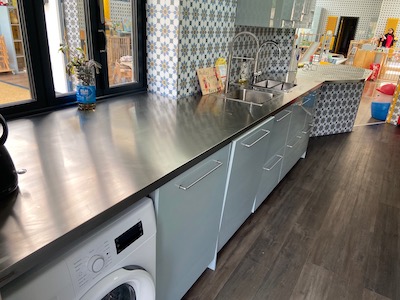
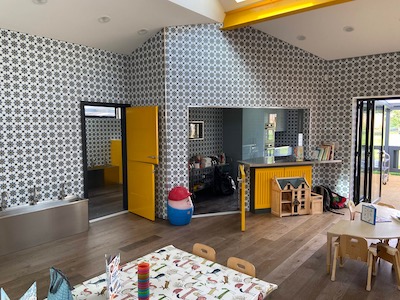
The established and successful, Aunties Old School Nursery, is moving to purpose built new premises located on the outskirts of Oxford. Surrounded by beautiful countryside, the brand new building has been designed and built to a very high standard and provides a truly inspiring space for its staff as well as for its pupils.

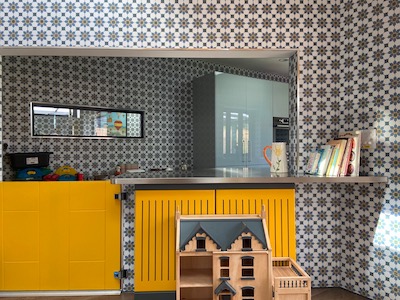
Working directly for the nursery, GEC Anderson were commissioned to measure, manufacture and install a number of made to measure stainless steel worktops for the main kitchen and serving area; art area; store room, utility room; staff room as well as the general play area. Additionally, a number of splashbacks and panels were supplied in the washrooms and outdoor play areas.

Worktops feature GEC Anderson’s edge 7 (40mm) and were all made to the specific sizes required, including a curved and angled servery area to the main kitchen. Coloured wall tiles were installed prior to the worktops, so the fit needed to be very precise. Cutouts for appliances were provided where required.

Measuring and installation was carried out by GEC Anderson.

Silver Kite`s Arbor architectural ironmongery for New York luxury residence

Building Products Index Ltd Ironmongery Leave a Comment

View the Silver Kite entry on BPindex

Visit the Silver Kite website

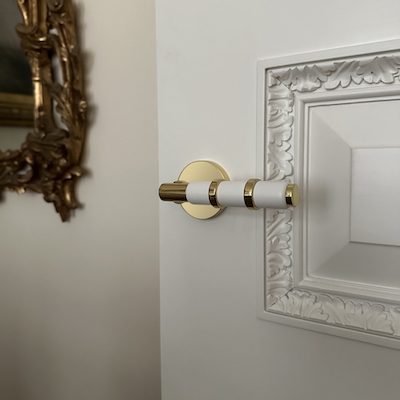
Silver Kite’s Arbor range was specified for a luxurious 5 story residence close to Central Park in Manhattan.

The finish chosen for the Arbor door and windows fittings was polished brass with colour coated wooden parts. Five different shades of white colour coating were used to match the décor of each area. The doors were larger than standard. Therefore, the lever handles were increased in size to keep in proportion.

American locks were to be installed. Consequently, the manufacturer modified the Arbor items to be compatible with them.

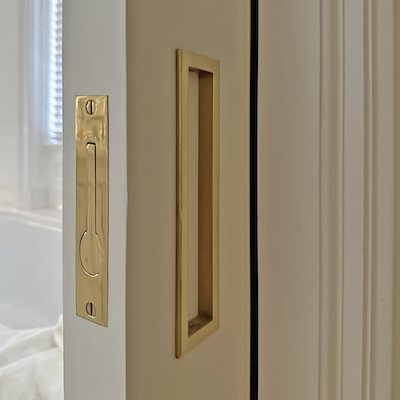
Many doors were sliding pocket doors. These were fitted with flush pull handles and door edge pulls. The flush pulls incorporated colour coated plates to match the door finish.

The windows were fitted with mortice espagnolette bolts. Arbor fasteners were specified, with the wooden part colour coated.

Silver Kite worked closely with the design team to produce a complete ironmongery schedule.

Apart from manufacturing standard products, the manufacturer can make special items to a specifier’s exact requirements.

ACO Building Drainage Helps Construction Professionals Tackle Climate Change with Launch of ‘Blue Roof Guide – Volume 2’

Building Products Index Ltd Building Drainage, Drainage Leave a Comment

View the ACO Building Drainage entry on BPindex

Visit the ACO Building Drainage website

With climate extremes increasing and urban drainage networks under growing stress, ACO Building Drainage has published the second volume of its Blue Roof Guide to help architects, engineers, specifiers and contractors design resilient, multi-functional roofscapes.

The new guide explains how blue and blue-green roof systems can store and manage rainfall on site, reduce peak flows to overstretched sewers and support passive irrigation and biodiversity on roof areas.

The guide, titled ‘ACO Blue Roof Guide – Vol 2’, follows the success of ACO’s first volume of its Blue Roof Guide, launched in October 2024, and builds on the criteria established for safe and sustainable drainage.

Sustainability is a core principle of ACO’s work and this has been recognised in the company’s appointment as United Nations ambassador for Sustainable Development Goal 6: Clean Water and Sanitation. The second volume of the Blue Roof Guide is evidence of ACO’s commitment to clean water, sustainability, and supporting the construction industry in creating an eco-friendly future.

Volume 2 sets out the principles of off-membrane storage and offers practical design and delivery advice for architects, engineers, specifiers and contractors. It highlights blue roofs as an increasingly important tool in urban developments by storing water temporarily and releasing it slowly to lessen flood risk while enabling green and biosolar roof functions to coexist without compromising waterproofing.

Technical sections go into detail about ACO’s patented RoofBloxx system: a shallow, high-strength geocellular attenuation layer designed to sit independently of the roof membrane. Implementation and installation are also discussed, including together with the proper use of flow restrictors, access and diffuser units, capillary wicks and reservoir trays. When combined, these components manage run-off rates, support passive irrigation for sedum and planted systems, and reduce the need for heavy ballast by stabilising insulation.

Neill Robinson-Welsh, who has led more than 750 blue roof projects during his 14 years with ACO, said: “Blue roofs are no longer an optional extra but a practical response to the twin pressures of heavier rainfall and growing water stress. Our approach uses ACO RoofBloxx to store water off the waterproofing layer, simplifying integration with green and biosolar elements and reducing the risk of membrane failure. The new guide reflects what we’ve learned on real projects and sets out design and maintenance steps that make blue roofs reliable.”

Practical chapters focus on early-stage coordination, addressing outlet positioning, roof slope and structural implications, as well as maintenance-friendly design through permanent access chambers and twice-yearly inspections, and emphasising the importance of accurate hydraulic calculations to meet planning limits while preserving architectural constraints.

ACO stresses that designers need to treat blue roofs as system integration exercises, and by coordinating landscape, photovoltaics and other services early it will help to avoid late, costly revisions.

Volume 2 is positioned as a hands-on resource for teams planning multifunctional roofs where water management, ecology and service access must all be reconciled.

To download the guide, see ACO.co.uk.

UK Launch of Hellomac Geo

Building Products Index Ltd natural hazard protection Leave a Comment

View the Maccaferri entry on BPindex

Visit the Maccaferri website


Maccaferri Ltd Completes First UK Installation of Hellomac Geo

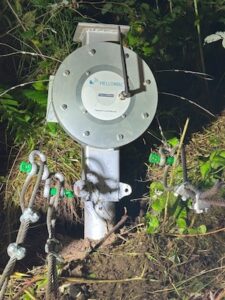
Maccaferri Ltd is proud to announce the successful installation of Hellomac Geo, a pioneering real-time monitoring and alert system, in the United Kingdom. With numerous installations already operating worldwide, the UK is now the latest market to benefit from Hellomac Geo’s proven technology.

Natural hazard and rockfall protection systems are widely used across the UK to safeguard people, infrastructure, and critical assets from potentially catastrophic events. However, their effectiveness depends on frequent inspections to confirm whether impacts have occurred, an approach that is both time-consuming and costly.

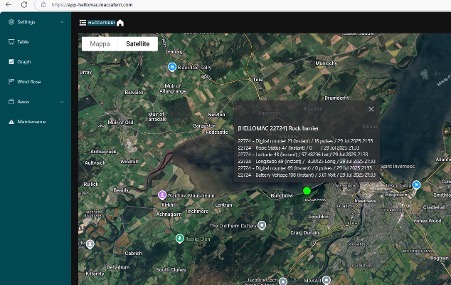
Hellomac Geo transforms these systems into “smart” solutions. Powered by Internet of Things (IoT) technology, it provides real-time monitoring and instant alerts to asset managers when an event exceeds the system’s serviceability threshold. This targeted approach ensures that inspections and maintenance are only carried out when truly necessary, delivering significant cost and operational efficiencies.

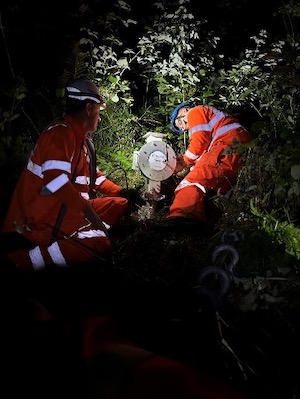
In July 2025, Maccaferri, in partnership with Network Rail and Amco Giffen, installed the UK’s first Hellomac Geo system at Delmore, Inverness. The system was deployed on a chain link debris flow barrier designed to protect the Inverness–Wick railway line from hillside debris. Historically, this site required monthly inspections, often involving disruptive railway line blocks. With Hellomac Geo, successfully deployed in major rail and infrastructure projects around the world, Network Rail asset managers will now be alerted only when debris levels reach a critical point, allowing maintenance to be planned proactively and efficiently; minimising disruption to rail services.

Key Benefits of Hellomac Geo:

  • Real-time, remote monitoring with instant impact alerts
  • Fully wireless design — no mains power required
  • Guaranteed coverage via roaming GSM or satellite connectivity
  • Free desktop and mobile app monitoring software
  • Data integration via API into existing asset management platforms
  • Lightweight, quick installation — even in remote locations
  • Cost-effective, 24/7 monitoring without routine on-site inspections

Hellomac Geo marks a major step forward in the digitisation of natural hazard protection systems in the UK, offering infrastructure owners and operators a smarter, more sustainable approach to safety and asset management.

Connor Gillan, Network Rail Scotland’s Works Delivery Project Manager, made the following comments following the successful installation:

“Network Rail Scotland worked with Maccaferri Ltd and Amco Giffen on the first installation of HELLOMAC Geo in the UK at Delmore on the Inverness to Wick line. This site has often needed regular inspections because of debris building up in the interceptor barriers, with the risk of it reaching the track and affecting services.

HELLOMAC Geo now gives us an early warning system that alerts us when debris builds up to a critical level. This means we can act quickly when needed and cut down on unnecessary inspections. At a remote location like Delmore, that saves both time and costs and avoids line blocks that can disrupt train services.

The system also helps us take a more proactive approach to asset monitoring. We can plan maintenance only when it’s needed, making better use of resources and improving the resilience of the railway in Scotland. HELLOMAC Geo shows how new technology can support the way we manage earthwork and rockfall risk across the network.”

“The arrival of Hellomac Geo in the UK marks a significant step forward in our mission to digitise natural hazard protection systems worldwide”, said Matt Showan Managing Director at Maccaferri Ltd. “Already adopted in a wide range of international projects, the technology combines real-time monitoring with cost-effective efficiency, transforming the way asset managers respond to risk. By working with Network Rail on this first UK deployment, we are showing how global innovation can directly strengthen national infrastructure, improve safety and reduce operational costs.”